
Pace of Play in Golf for Beginners: What You Need to Know
Learn pace of play in golf for beginners with tips to keep rounds smooth, avoid slow play, and enjoy your game more.
Why Pace of Play Matters and How It Really Works for Beginners
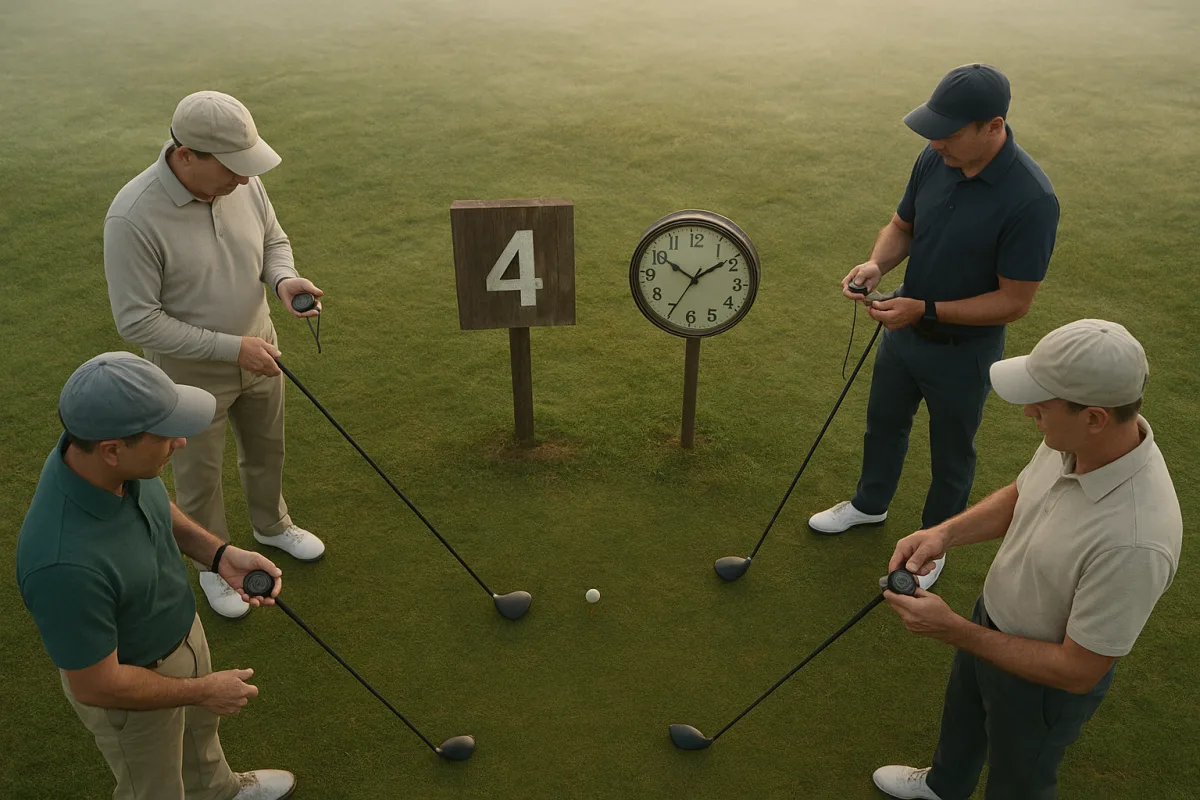
If you’re new to golf, one of the first etiquette concepts you’ll encounter, and likely struggle with, is pace of play. It’s not just a vague idea about “not holding up the group.” It’s a structured expectation grounded in how long holes realistically take to play, how groups move through the course, and what happens if that rhythm is disrupted. Understanding the mechanics behind pace of play is crucial for beginners, not just to be polite but to keep rounds enjoyable for everyone. Let’s unpack what pace of play really means, why it’s so important, who sets these standards, and what determines whether you’re keeping up or slowing down.
The Mechanics of Pace of Play
At its core, pace of play measures how long it takes a group of golfers to complete each hole and ultimately the entire round. But it’s not a random number; it’s based on extensive observation of how long it takes average golfers to finish holes of different lengths and difficulties under normal conditions.
For example, a typical 18-hole round for a foursome is expected to last around 4 hours and 30 minutes, or about 270 minutes in total [5]. Break that down by hole type, and you get average times like:
- Par 3 holes: 12 to 14 minutes each
- Par 4 holes: 14 to 16 minutes each
- Par 5 holes: 16 to 18 minutes each
These figures come from pace-of-play guidelines used by clubs like Pecan Grove Country Club [6]. They’re not arbitrary but reflect how long it takes players to complete tee shots, approach shots, short game, and putting, plus walking between shots and preparing to hit.
For smaller groups, the expected round times drop accordingly. Twosomes often finish in 3:15 to 3:45, while threesomes take roughly 4 to 4:30 [5]. This is important for beginners because playing in smaller groups can help maintain a good pace without feeling rushed.
Why Pace of Play Is More Than Just Speed
Beginners often think that “faster is better,” but pace of play is about a steady rhythm, not rushing shots. Each number on a launch monitor or in a swing analysis relates to the swing that produced it, so if you try to hurry your stroke, you could lose control and consistency. The goal is to keep moving efficiently while maintaining your routine and safety.
Slow play can frustrate other groups behind you, create backups on the course, and extend your round beyond what’s fair. Conversely, if you’re too focused on speed and sacrifice setup or alignment, your shots might suffer, and your score will reflect that. The management of pace is a balance.
Who Sets the Pace?
Pace of play guidelines are generally set by the golf course management or local golf associations. These standards are based on data collected from many rounds played on that particular course or similar courses. For example, Pecan Grove Country Club’s guidelines are tailored to their layout but align with general industry expectations [6]. Tournament committees also enforce pace rules during competitions, which often include penalties for groups that fall significantly behind.
Beginners don’t have to memorize exact numbers, but understanding that a par 4 should take about 14-16 minutes helps keep track of whether you’re moving along at a reasonable speed. If your group routinely takes 30 minutes on a par 4, you’re likely slowing down others and yourself.
What Determines Your Actual Pace?
A lot depends on your group size, skill level, and course conditions. Beginners generally play slower because they take more practice swings, look for balls, and sometimes need advice on rules or club selection. That’s normal, but it also means beginners should consider playing in twosomes or threesomes rather than foursomes to keep pace reasonable [6].
Course layout and conditions matter too. A tight, narrow course with lots of hazards will slow players down. Weather impacts pace as well, wind or rain can increase shot preparation time. Maintenance activities like aerification or bunker raking can cause delays, too.
What Beginners Need to Know: Simple Actions to Keep Pace Reasonable
- Be ready to hit when it’s your turn. While safety comes first, avoid unnecessary delays standing around waiting for your turn. This means having your club selected and ball marked if needed before stepping up.
- Limit practice swings. One or two are fine, but more than that can add up quickly.
- Keep up with the group ahead. If your group falls behind, consider letting faster groups play through.
- Avoid searching for lost balls excessively. The rules allow you to limit search time to three minutes, so stick to that to keep things moving.
- Play ready golf when safe and permitted. This means hitting when ready rather than strictly playing by turn, especially in casual rounds.
- Use distance measuring devices responsibly. Phones or rangefinders can speed decision-making but should not cause delays or distractions [9].
Why Pace of Play Is Especially Important for Beginners
Beginners often get overwhelmed trying to learn swing mechanics, club selection, and course strategy all at once. Adding slow play to the mix only makes the experience less enjoyable. By understanding pace of play, beginners can:
- Avoid frustrating faster groups behind them
- Help the group ahead maintain their rhythm
- Keep their own round length manageable, making it easier physically and mentally
- Learn good habits early that will serve them in more competitive or crowded settings
Pace of Play Is a Group Effort
It’s worth stressing that pace of play is not just an individual responsibility but a group dynamic. If one player in your group takes too long over shots, it affects everyone. Conversely, if everyone stays aware and ready, pace naturally improves.
Beginners should communicate politely within their group about pace concerns. Sometimes, reminding a partner to be ready or suggesting letting faster players through can keep the round enjoyable for all.
Pace of Play and Course Etiquette: Interconnected
Pace of play ties directly into other etiquette rules like safety, care of the course, and respect for other players. For instance, rushing a shot because you’re behind schedule can cause poor contact or even injuries. Conversely, slow play can lead to frustration that causes careless damage to the course or distracted behavior.
Beginners should also remember that pace expectations may differ between public and private courses. Private clubs often enforce stricter pace policies aiming for rounds under 4 hours, while public courses may have rounds lasting 5 or 6 hours during peak times [6][8]. Knowing what to expect before you tee off can help you adjust your approach.
In Summary: Pace of Play Is a Measured, Data-Driven Etiquette Concept
The numbers behind pace of play, like 4:30 for a foursome or 14-16 minutes per par 4, aren’t arbitrary or marketing hype. They come from careful observation of how golfers actually play. These guidelines provide a framework for keeping rounds moving smoothly and safely.
Beginners should think of pace of play as a skill to develop alongside their swing. It’s about knowing when to move, how long a hole should take, and behaving considerately towards others on the course. Playing in smaller groups, being ready when it’s your turn, and respecting the rhythm of the game will improve your experience and that of everyone else.
Understanding pace of play in this way, beyond “just hurry up”, helps new golfers fit in naturally with the flow of the course and avoid one of the most common beginner frustrations. It’s one piece of etiquette that, once grasped, pays dividends in smoother rounds and better golf for all.
This detailed look at pace of play is rooted in the standards published by clubs and golf educators, including the Qondor Blog and Pecan Grove Country Club, which base their timing on actual play data rather than guesswork [5][6]. It’s a useful example of how etiquette in golf is tied to measurable, practical realities, not just tradition or rules written for the elite.
Frequently Asked Questions
What is pace of play in golf for beginners?
Pace of play refers to the expected time it takes for a group of golfers to complete each hole and the entire round. For beginners, it means maintaining a steady rhythm without rushing shots, balancing efficient movement with proper shot preparation and safety. Understanding pace helps beginners avoid slowing down the group and keeps the round enjoyable.
How long should a beginner take to play a round of golf?
A typical 18-hole round for a foursome lasts about 4 hours and 30 minutes. Beginners often play slower due to extra practice swings and searching for balls, so playing in smaller groups like twosomes or threesomes, which take roughly 3:15 to 4:30 hours, can help maintain a reasonable pace.
Why is pace of play important for new golfers?
Pace of play is important because slow play can frustrate other groups and extend the round unnecessarily, making the experience less enjoyable. For beginners, managing pace helps keep rounds physically and mentally manageable, avoids holding up others, and builds good habits that benefit future play.
How can beginners maintain a good pace of play?
Beginners can maintain good pace by being ready to hit when it’s their turn, limiting practice swings to one or two, keeping up with the group ahead, and avoiding excessive searching for lost balls (limiting search time to three minutes). Playing ready golf when safe and using distance measuring devices responsibly also helps keep the round moving.
What are common pace of play mistakes beginners make?
Common mistakes include taking too many practice swings, not being ready to hit when it’s their turn, spending too much time searching for lost balls, and falling behind the group ahead without letting faster groups play through. These actions disrupt the group’s rhythm and slow down the overall pace.
Sources
- Golf Etiquette for Beginners: A Complete Guide to Playing with Respect
- Golf Etiquette for Beginners: 10 Essential Rules
- Golf Etiquette & Rules for Beginners, The Complete Primer
- A Playing Partner Gave Me Advice On The Takeaway When I Didn't Ask For It. Is That A Breach Of The Rules?
- How Long Does It Take to Play Golf? Average Round Times for 9 & 18 Holes | Qondor Blog
- Pace of Play in Golf (August 2026): What It Is and Why It Matters
- Golf Course Bunker Maintenance Best Practices for Playability and Drainage
- The 5 major differences between public and private golf courses
- Can You Use a Phone on a Golf Course?
- Golf Etiquette, The Art of the Game | Jamkovka
- Reading the Room: When to Talk and When to Shut Up
- Golf Etiquette 101: Essential Manners for Beginners | MyGolfSpy
- How Much Are Golf Lessons? (Real 2026 Pricing) | The Other Golf Channel
- Dress Code - Eugene Country Club
- FAQs
- Golf Etiquette for Beginners (Australia) | GolfWatch
- Course Care - Yarrambat Park Golf Course
Related Articles

Common Golf Etiquette Mistakes Every Golfer Should Avoid
Learn common golf etiquette mistakes and how to maintain pace, repair marks, and respect course rules for a better game experience.
Golf Tournament Rules: What You Need to Know
Learn the essential golf tournament rules including local rules, pace of play, and the role of the tournament committee.

Hitting a Wrong Ball in Golf: Rules and Penalties Explained
Learn what to do if you hit a wrong ball in golf, the penalties involved, and how to correct your mistake in stroke and match play.
Driving Range Etiquette
Learn driving range etiquette to practice safely and respectfully with tips on space, session length, and avoiding common mistakes.