
Best Time of Year to Play Golf: A Seasonal Guide
Discover the best time of year to play golf, considering weather, course conditions, and personal preferences for an optimal experience.
The Best Time of Year to Play Golf: A Pragmatic Approach
Ah, golf, the gentleman's game, where the only thing more important than your swing is the weather. As it stands, there has been a notable shift in when players are flocking to the fairways, and it's time we had a chat about it. You see, the general consensus is that the best time to play golf is not just dictated by the whims of Mother Nature but also by the state of the courses themselves. And if you don’t believe me, let’s dig into the evidence.
A Shift in Seasonal Preferences
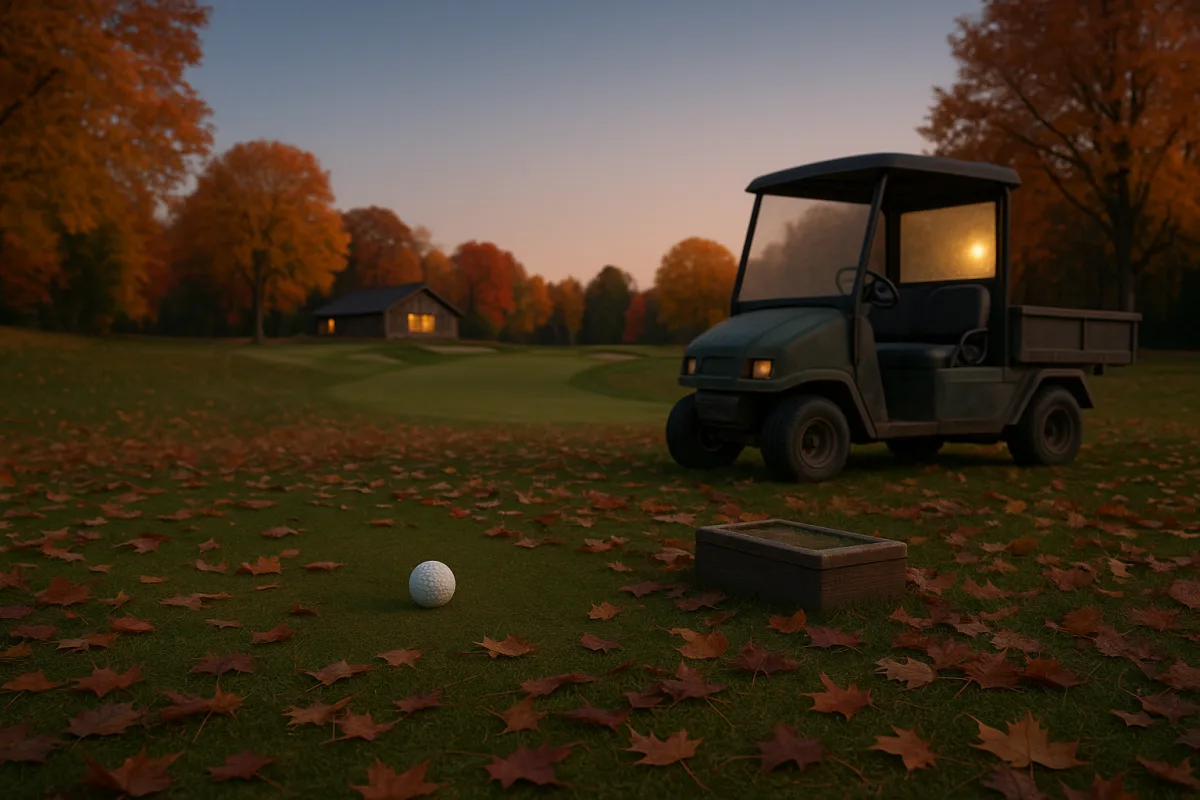
Traditionally, golfers have relied on the long-held belief that spring and summer are the prime seasons for hitting the links. However, recent trends indicate a burgeoning preference for autumn play, particularly in regions like South Carolina, Arizona, and Nevada. October is emerging as a standout month, but there’s a twist, this coincides with peak maintenance seasons for many courses. That means while you might get the best weather, you could also be faced with courses that are less than pristine. It’s a classic case of “you can't have your cake and eat it too.”
Evidence of Changing Seasons
Independent findings reveal that Florida, with its balmy climate, is best visited from December through April. During this period, temperatures hover around a comfortable 70°F to 78°F, paired with low humidity levels that make for optimal golfing conditions (source: golfinlv.com). Meanwhile, in San Diego, June boasts favorable conditions that golfers have come to cherish (source: weatheronthisday.com). South Carolina's Kiawah Island, often lauded for its scenic courses, shines in October, but as noted, this is also when maintenance ramps up, potentially detracting from the experience (source: weatheronthisday.com).
The Wind Factor
Now, let’s talk about the wind, yes, that invisible nuisance that can turn a perfect round into a battle against nature. Many sources agree that winds below 15 mph are ideal for golfers, but preferences can vary significantly from one player to the next (source: fulcria-labs.github.io). Some players thrive in a breeze, while others would rather have still air. This variability complicates the narrative of an ‘ideal’ golfing season and invites each golfer to consider their own comfort levels when planning their outings.
The Uncertainties of Rainfall
While we’re on the topic of weather, let’s address the elephant in the room: rainfall. Unfortunately, specific data regarding average rainfall during spring and fall months across popular golf destinations is relatively sparse. This lack of information makes it challenging to assess whether the potential for rain should influence your decisions (source: golfbreaks.com). The absence of reliable rainfall data may leave some players guessing, but it underscores the importance of checking local forecasts before you pack your clubs.
Course Conditions and Availability
When planning your golfing calendar, it's not just the weather that matters; it’s also about the courses. While October may shine brightly in terms of optimal weather, many courses are busy with maintenance, which could impact playability. The average green speeds, which typically range from 9 to 12 feet on the stimpmeter during peak seasons, might not be achieved if the course is undergoing upkeep (source: golfguidebook.com). Thus, it's prudent for players to verify course conditions and availability of tee times, particularly in months where maintenance might coincide with peak playing times.
Temperatures and Humidity
Another important consideration is the average temperatures and humidity levels during the best months to play golf. These can vary significantly from year to year, so relying solely on past experiences may lead to disappointment. As any seasoned golfer will tell you, a sweltering day on the course can sap your energy faster than a pro’s birdie putt. Therefore, always check current forecasts before making any plans, especially if you’re considering a destination known for its extreme weather variations.
Personal Preferences Matter
Ultimately, the best time to play golf is subjective. Each golfer has their own preferences regarding temperature, wind, and course conditions. Some players might revel in the crispness of an autumn morning, while others may prefer the balmy warmth of late spring. Therefore, it’s vital to consider personal comfort levels when planning your golfing escapades.
Conclusion: Planning Your Golfing Calendar
So, what does all this mean for your golfing future? Well, if you're serious about optimal playing conditions, you need to be more than just a fair-weather golfer. It means doing your homework, checking local forecasts, confirming course conditions, and understanding that prime weather might not always align with pristine course conditions.
In summary, while October may be gaining traction as a favorite month for many, it’s essential to weigh the implications of course maintenance. Florida’s winter months remain a reliable option, while San Diego's June offers a unique charm. Ultimately, the best time to play golf is when you feel most comfortable swinging your club, whether it’s in the crisp autumn air or the balmy embrace of summer. Just remember, in golf, as in life, timing is everything.
Frequently Asked Questions
When is the best time to play golf?
The best time to play golf can vary based on personal preferences and regional conditions. Traditionally, spring and summer have been favored, but recent trends show a growing preference for autumn, particularly in areas like South Carolina and Arizona. October is noted for its favorable weather, although it may coincide with peak maintenance seasons for many courses.
What season is ideal for golfing?
Florida is considered ideal for golfing from December through April, with temperatures averaging between 70°F and 78°F and low humidity. In California, June is recognized for consistently favorable golfing conditions, while October is highlighted for South Carolina's Kiawah Island courses.
How does weather affect golf playability?
Weather significantly impacts golf playability, with factors like temperature, wind, and rainfall playing crucial roles. Winds below 15 mph are generally preferred, but individual preferences can vary. Additionally, the lack of specific rainfall data during spring and fall makes it challenging to assess how weather might affect playability during those seasons.
Sources
- Florida Golf Season Guide: When to Play · Golf in LV
- Best Time to Play Streamsong Resort: Jan, Feb & Dec
- The Best Golf-Weather Destinations in the US, Ranked by the Numbers
- Whistling Straits Golf Course Weather Averages - GOLF, United States of America
- Best Spring Golf Destinations (for 2026/27)
- Best Time to Golf in South Africa | Month-by-Month Weather Guide 2026
- Best Golf Weather by State: Ranking America by Average G-Score | Golf Weather Score
- Golf Course Conditioning: What SWFL Courses Do in the Off-Season, Southwest Florida Golf Directory
- Why Do Course Works Take Place During Peak Season? | Golf Monthly
- Yearly & Monthly weather - Colorado Springs, CO
- The Stimpmeter Explained: How Green Speed Is Measured
- Hoe werkt een stimpmeter en hoe weet je hoe snel een green is? • Golf.nl
- How Fast Are The Greens At Shinnecock Hills During The US Open?
- Best Month to Golf by Region (2026 Guide)
- What Coastal Wind Does to Your Golf Shots (August 2026)
- How to Play Golf in the Wind: Complete Strategy Guide | Fulcria Labs Blog
Related Articles
When to Play Golf in Spring: Timing and Course Conditions
Learn when to play golf in spring by understanding course conditions, weather, and maintenance for the best tee times and experience.

Best Conditions for Golf: Ideal Weather and Wind Tips
Discover the best conditions for golf, including ideal temperature, wind effects, and how to adjust your play for optimal rounds.
Best Time of Day to Play Golf
Discover the best time of day to play golf by comparing morning and afternoon conditions for optimal performance and course strategy.
How to Play Golf in the Rain: Gear, Swing & Strategy Tips
Learn how to play golf in the rain with expert tips on gear, swing adjustments, and course strategy to improve your wet-weather game.