
How to Prepare for a Golf Trip: Packing and Planning Tips
Learn how to prepare for a golf trip with packing tips, travel bag advice, and essential equipment to bring for a smooth golf travel experience.
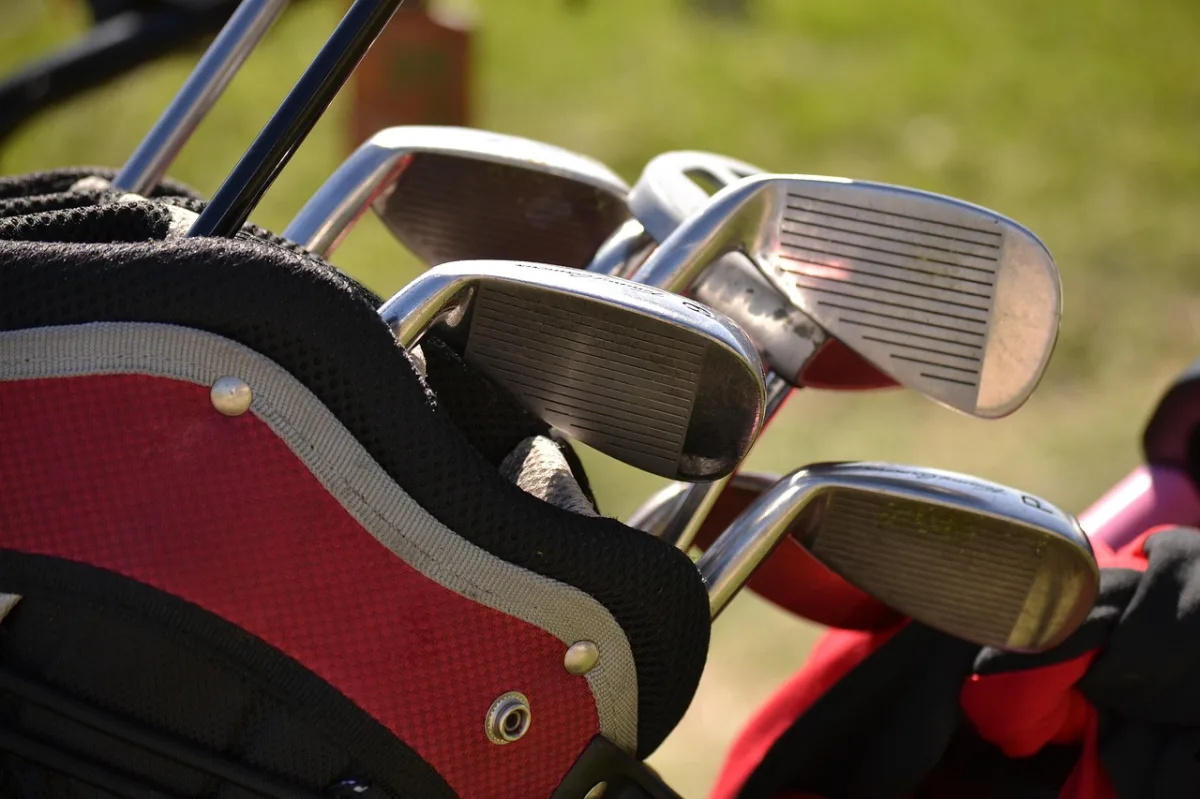
Photo: alejandrocuadro via Pixabay
Weigh the Travel Bag
The bathroom scale under a zipped golf travel bag is where a cheap flight can become an expensive one. U.S. airlines generally treat golf bags as standard checked baggage in 2026, but the common 50-pound, or 23-kilogram, limit still applies.[1][2]
Delta’s first checked-bag fee was listed at $45 from April 2026, while JetBlue’s was listed at $50 in November 2026.[1] Those charges cover the first checked bag, including a qualifying golf bag, not excess weight, additional bags, or every fare type.
Keep the bag below 50 pounds before you head to the airport. Airlines can charge overweight fees up to 70 pounds, or 32 kilograms, and the cost can erase the savings from bringing a heavy second pair of golf shoes or a dozen unnecessary balls.[1][2]
Golf bags often receive an oversize-fee waiver, but that is not a universal rule. American Airlines, Delta, JetBlue, United, and Southwest each set their own baggage terms, so check your carrier’s current golf-equipment page before you book and again before you pack.[1][7]
International travel can be less forgiving. Typical guidance allows about 126 linear inches for a golf bag, calculated by adding length, width, and height, but still limits weight to 50 pounds, with fees commonly reported at $75 to $150 each way.[2][3]
Pick the Travel Case
A hard-sided travel case gives the clubs the strongest protection during air travel, but it starts the weight calculation against you. Hard cases commonly weigh 9 to 14 pounds empty, or roughly 4 to 6 kilograms, before a driver, shoes, rain suit, and accessories go inside.[3]
A soft-sided travel bag is lighter, which can make the 50-pound limit easier to manage. We would lean hard-sided for a flight with a full set and soft-sided only when the lower bag weight materially helps you avoid an overweight charge.
Pack the case as a travel container, not a second locker. Heavy items such as golf shoes, a large water bottle, and extra apparel can consume the margin you need for the clubs, while loose accessories can add weight without helping your round.
There is no current detailed guidance on protecting clubs through rental cars, shuttle vans, hotel storage, or layovers. Keep the bag closed, count your clubs when you collect it, and ask the carrier or hotel where it will be stored instead of assuming every handoff follows the same process.
Build the Club Setup You Know
Pack the set you play at home. A trip is a poor time to introduce a different driver shaft, a new wedge grind, or a rental putter with a different head shape and length when the first tee is waiting.
A complete travel setup can include driver, fairway woods, irons from 3 through 9, pitching wedge, sand wedge, lob wedge, and putter.[1] That list gives you coverage, but it does not mean every golfer needs every club on every trip.
We would take the clubs that produce your usual yardages and turf interaction, then leave redundant long clubs behind if bag weight is tight. A launch-monitor carry number belongs to the swing that produced it, and travel fatigue can change the swing you bring to the course.
Bring at least two sleeves, or six balls, plus 2 3/4-inch tees.[1] Six balls is a starting point, not a promise that six will cover 18 holes at a new resort course with wind, water, unfamiliar rough, and a first-day swing.
Pack the Round-Bag Essentials
A lightweight stand bag with enough dividers makes the bag easier to carry and keeps grips from tangling when you need a club quickly.[1] If you are flying with a larger travel case, the stand bag can ride inside it and become your course bag at the destination.
Pack one glove plus a spare, especially if rain or humidity is likely.[1] A soaked glove changes grip pressure and can make you squeeze the handle harder, which is the opposite of what most mid-handicap players need when their swing is already getting quick.
Include a microfiber towel, divot repair tool, ball marker, rangefinder or GPS device, and an insulated water bottle.[1] The towel cleans grips and clubfaces, while the distance device helps you avoid guessing at unfamiliar carry numbers on courses you have never seen.
A club brush, ball liner and marker pen, and a compact putting training aid are optional accessories.[1] We would bring the brush and marker if you use them regularly, but skip the training aid unless you know you will have time and space to use it.
Pack for Rain, Sun, and Walking
Put a waterproof jacket, waterproof pants, and a sturdy umbrella in the travel bag before adding casual clothing.[1] Rain gear that stays in the hotel room cannot help when a forecast changes after the turn.
Bring comfortable golf shoes suited to the course conditions, plus high-SPF sunscreen and a brimmed hat.[1] Golf trips commonly mean several consecutive rounds, and a hot, wet, or poorly supported foot can affect your balance before the driver ever does.
Late-2026 destination-specific weather and course-strategy data is limited, so do not build your packing list around a precise forecast months ahead. Check local conditions close to departure, then decide whether you need extra rain gear, sun coverage, or another glove.
Reserve the Tee Times
Book tee times 30 to 60 days in advance for peak-season travel.[1] That window gives you a better chance of landing morning times, preferred courses, and groups that fit your pace instead of taking whatever is left after flights are already paid.
Reserve accommodations several months ahead for a golf trip, and use up to six months for popular resorts.[1] A hotel that looks close on a map can still add long daily drives, late dinners, and less recovery between rounds.
Coordinate the tee sheet before buying nonrefundable flights. Put the first round late enough that a delayed flight, checked-bag wait, or rental-car line does not turn the opening tee shot into a sprint from the parking lot.
Build the itinerary around the number of rounds you can recover from, not the maximum number you can book. Three demanding rounds in three days can expose weak sleep, poor hydration, and tight hips faster than a normal weekend at home.[4]
Schedule the Arrival Day
After travel, use light activity, hydration, and normal meals to reset before the first round.[4] A short walk and a few easy mobility movements can help you feel less stiff without turning arrival day into a workout.
Limit naps to 20 minutes after travel if you need one.[4] A longer nap can interfere with the sleep that matters most when you have an early tee time and several days of golf ahead.
Do not expect your first range session to produce your standard speed or strike pattern. Start with short shots, then make a few smooth practice swings and let the first round be about finding the center of the face and managing the course.
Warm Up for the Round
Give yourself five to 10 minutes of light cardio before golf, followed by golf-specific mobility work and practice swings.[4][5] Walking, easy movement, and gradual swings prepare you better for a multi-day schedule than rushing from breakfast directly to the first tee.
Avoid static stretching immediately before the round.[4] Save longer holds for another time, then use active movements before golf so your body is ready to rotate, shift pressure, and make a controlled backswing.
Core work belongs in the weeks before the trip and can continue between rounds if it is familiar. Planks, dead bugs, and glute bridges are recommended exercises for core stability and support the movement patterns used in the golf swing.[5][6]
Keep the warm-up repeatable. A different drill package every morning creates another variable, while a short routine you can complete beside the range gives you a reliable way to start each round.
Manage the Swing You Have That Day
Use a smooth, controlled tempo when fatigue arrives.[4] Trying to create extra speed late in a trip can turn a manageable tired swing into a steep transition, thin contact, or a sore back before the next day’s tee time.
Play to the carry distances you see during the trip, not the strongest numbers from a rested home session. If the driver is carrying shorter or the wedges are flying less crisply, take more club and aim for larger parts of greens.
A tired golfer often loses sequencing before strength. Choose a target, make one committed rehearsal, and prioritize centered contact over forcing a draw, fade, or launch window that you are not producing consistently that day.
Recover Between Rounds
Hydrate throughout the day and continue after the round.[4] Pair fluids with regular meals and nutrition, because several days of walking, range balls, warm weather, and late dinners can leave you flat before you notice it on the scorecard.
Aim for seven to nine hours of sleep each night.[4] That is the recovery tool most likely to affect how your body feels over a four-day trip, and it costs less than trying to fix travel fatigue with new equipment.
Use active recovery after golf, including light movement, instead of spending every non-golf hour sitting in a car or restaurant booth.[4] Keep the next morning’s routine simple, then let the score reflect the swing you brought, not the one you expected before the trip.
Frequently Asked Questions
How do I pack my golf bag for air travel?
Weigh your packed golf bag on a bathroom scale before leaving home to keep it under 50 pounds and avoid overweight fees. Pack your clubs and essentials carefully, leaving heavy items like extra shoes or large water bottles out if they push the bag over the limit. Use dividers to organize clubs and keep accessories secure.
What is the best way to avoid overweight baggage fees for golf clubs?
Keep your golf bag under the 50-pound limit set by most U.S. airlines for standard checked baggage. Use a lightweight travel bag and avoid packing unnecessary items that add weight. Check your airline’s specific baggage policies before you pack to confirm weight and size limits.
Should I use a hard or soft golf travel case?
A hard-sided case offers the best protection for clubs during air travel but weighs 9 to 14 pounds empty, which counts toward your baggage weight limit. A soft-sided travel bag is lighter and can help you stay under weight limits but provides less protection. Choose based on your priority between club safety and managing total weight.
What golf equipment should I bring on a golf trip?
Bring the set of clubs you normally play with, including driver, fairway woods, irons (3 through 9), pitching wedge, sand wedge, lob wedge, and putter. Carry at least two sleeves of balls (six balls) and 2 3/4-inch tees. Also pack rain gear, a spare glove, sunscreen, water, and any accessories you regularly use.
How can I prepare for different weather conditions on a golf trip?
Carry waterproof rain gear such as a jacket and pants, a sturdy umbrella, and a spare glove to handle wet conditions. Use sunscreen with high SPF and a brimmed hat to protect against sun exposure. Staying hydrated and having appropriate clothing will help you adapt to varying weather on the course.
How we researched this
This article was assembled from 7 cited references.
Nothing here is based on hands-on testing. Where a figure or finding appears, it belongs to the source cited beside it, and the writing says so rather than implying otherwise. Every source is listed below so you can check it.
Sources
- Do Airlines Charge for Golf Clubs? US Airline Fees (2026) | Divot & Draw
- Do Airlines Charge for Golf Clubs? (2026 Rules) | Club & Carry
- Best Golf Travel Bags (2026): Hard vs Soft Compared, 12 FAQ & Price Guide - Keep Perfect Golf
- Managing Multi-Day Golf Trip Fatigue to Protect Your Swing Mechanics and Prevent Weak Shots
- Golf Exercises and Stretches: The Program | Best Golf Tips
- Physical Fitness and Mobility · Rotation.Golf
- Special items and sports equipment | American Airlines
Related Articles

How to Prepare for a Golf Lesson: Essential Tips
Learn how to prepare for a golf lesson with tips on equipment, warm-up, goals, and what to expect to get the most from your session.

Starter Golf Equipment List: What You Need to Begin
Discover the starter golf equipment list for beginners, including essential clubs and gear to get you ready for your first round.

Prepare Mentally for Golf Tournament: Focus and Routine Tips
Learn how to prepare mentally for golf tournament with focus routines, breathing exercises, and warm-up strategies for better performance.
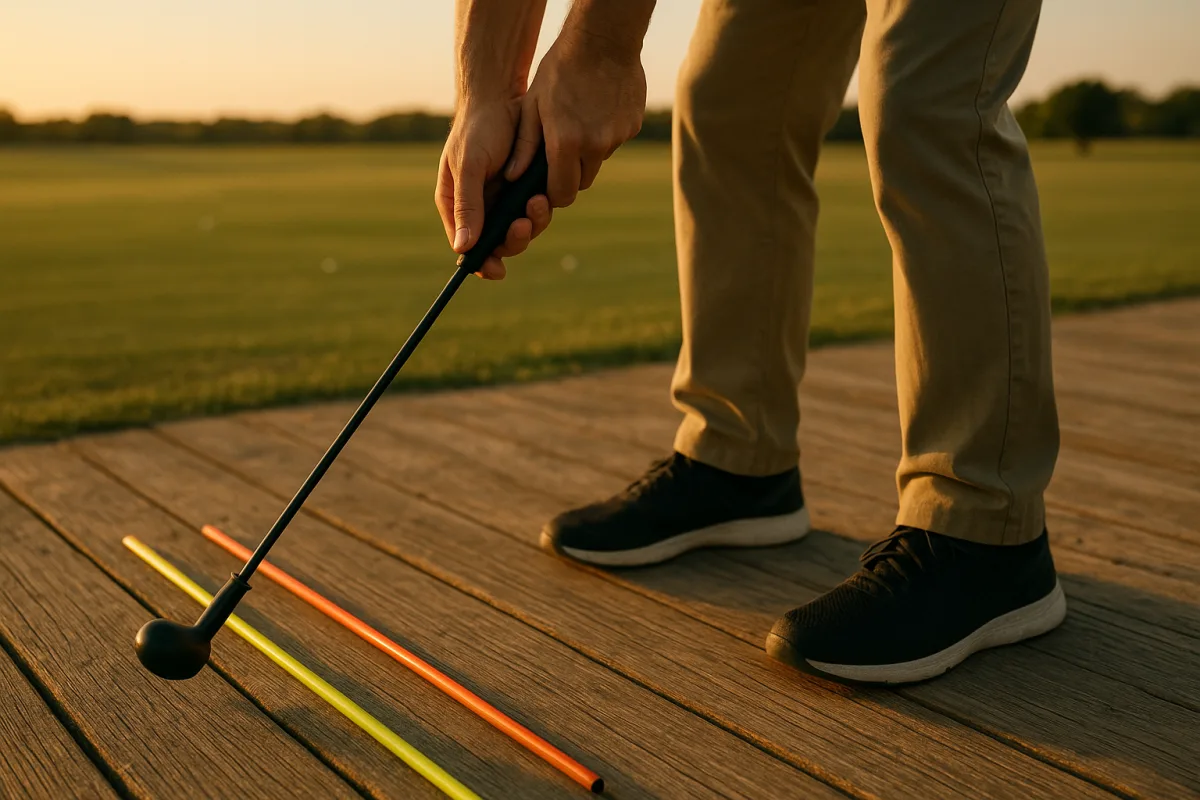
Best Golf Training Aids for Beginners
Discover the best golf training aids for beginners, comparing alignment sticks and the Orange Whip to improve your swing and setup effectively.