
How to Prepare for a Golf Lesson: Essential Tips
Learn how to prepare for a golf lesson with tips on equipment, warm-up, goals, and what to expect to get the most from your session.
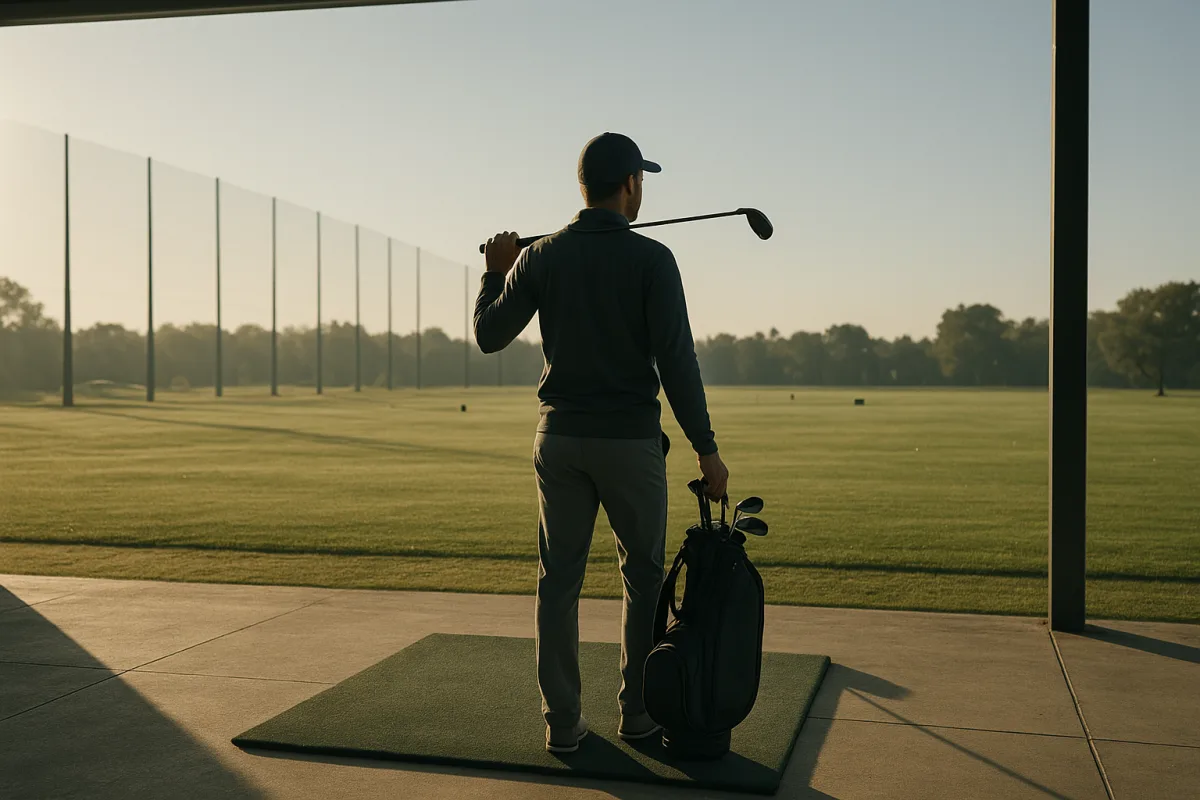
First, book the right kind of lesson
New golfers often lose value before they reach the range by booking a lesson without knowing what they want from it. A first session can cover grip, posture, setup, ball position, basic swing motion, short game, or putting. That is too much for one hour.
Private instruction commonly costs $50 to $150 an hour in 2026, according to The Other Golf Channel’s pricing guide. Thirty-minute lessons typically run $30 to $75, while group clinics are often $20 to $50 per session. [15]
A lower sticker price does not automatically mean better value. Instructor experience, how clearly you communicate, and whether you practise between lessons all affect what you retain. The available pricing guidance does not show that spending more guarantees faster improvement. [15][16]
For a first lesson, tell the instructor your real starting point when booking. Say whether you have played only at a driving range, can make contact but slice, or have already played a few rounds. That gives them a sensible baseline. [1][9]
Ask what the facility provides. Some beginner programmes supply clubs and balls, while others expect you to bring your own. Do not assume a range bucket, video analysis, launch-monitor access, or course access is included in the quoted lesson price. [1][6]
If you are unsure about committing, a group clinic can be a cheaper way to learn basic etiquette, grip, stance, and setup. If your immediate problem is highly individual, such as repeated heel strikes or a severe slice, a private lesson gives the coach more time to watch your motion. [1][15]
The night before: turn a vague hope into a usable goal
The most useful preparation is deciding what success looks like before you arrive. “Hit it straighter” is understandable, but it is not a coaching target. “Understand where the ball should sit for my 7-iron” gives the lesson somewhere to start. [8][9]
Write down one main goal and one secondary question. A workable first-lesson version might be: establish a repeatable setup with a mid-iron, then ask what to practise for ten minutes at the range. This keeps the session from becoming a collection of disconnected tips. [9][18]
If you have taken instruction before, bring coaching notes or a short list of what you were asked to work on. The instructor needs to know whether you are returning to a drill, changing instructors, or trying to solve a problem created by conflicting advice. [8][9]
Do not arrive with five swing changes gathered from social media. A grip change that helped one golfer square the face may make another player pull the ball. The same applies to any slice cure, because slices can come from different clubface and swing-path patterns.
A pre-shot routine is a good topic for a new golfer because it gives practice structure between lessons. Golf Smart Academy recommends a consistent sequence before each shot, rather than stepping in with a different set of thoughts every time. [10]
Keep that routine simple enough to repeat: pick a target, make one rehearsal swing if the coach recommends it, set the club behind the ball, look at the target, then hit. The point is repeatability, not adding a long checklist under pressure. [10]
Get proper rest. The preparation guidance consistently recommends seven to nine hours of sleep, along with hydration and appropriate food, rather than showing up depleted and expecting a coffee to carry the session. [2][3][8]
There is no single golf nutrition plan that fits every player. Golf Monthly stresses that needs differ by golfer, so the practical beginner move is to avoid arriving hungry, bring water, and use familiar food rather than experimenting with a huge meal immediately beforehand. [3]
Pack what you actually need, not a new identity
Bring the clubs you normally use, even if they are old, mismatched, borrowed, or inexpensive. A coach can only assess the strike, setup, and ball flight produced by the equipment in your hands. Buying a premium driver before lesson one solves very little. [6][17]
A basic beginner setup can include a driver, irons, putter, golf glove, lightweight stand bag, and low-compression golf balls. That is enough to start learning without pretending you need a full tour-style fourteen-club setup on day one. [6][17]
Low-compression balls are commonly recommended for beginners because they are designed to feel softer and can suit slower swing speeds. Still, do not read a ball’s marketing compression number as a promise of distance. Ball speed, launch, spin, and strike location belong to the swing that produced them. [6]
Bring several of the same ball if possible. Switching constantly between range balls, a very soft practice ball, and a premium urethane ball makes it harder to notice whether a change in contact came from your swing or the ball. [6][17]
Wear a collared shirt or polo with athletic trousers or shorts that allow you to rotate. Avoid jeans, restrictive clothing, and very baggy layers that make it difficult for both you and the instructor to see your posture and movement. [7]
Athletic sneakers are generally acceptable for a beginner lesson, especially at a practice range, although golf-specific shoes become worthwhile as comfort and stability needs grow. Dress codes and footwear requirements vary, so call the facility rather than finding out at the check-in desk. [7]
Pack a hat or visor for sun protection, plus rain gear if the forecast warrants it. These details are not glamorous, but being soaked, sunburned, or distracted by slippery footwear makes it harder to absorb a technical explanation. [7][17]
Arrive early enough to be warm, not exhausted
Many golfers hear “arrive 15 minutes early” and interpret it as enough time to buy balls and hit drivers. Bulle Rock Golf recommends arriving at least 30 minutes before a lesson for a complete warm-up sequence. [4]
That 30 minutes is a practical target, not a rule carved into stone. Some warm-up advice suggests 15 to 20 minutes, but 30 gives you room to check in, use the restroom, and prepare without turning the first five minutes of paid instruction into a scramble. [4][12]
Start with five to ten minutes of dynamic movement. Leg swings, arm circles, torso twists, and controlled mobility for the shoulders, back, hips, and wrists are the recommended categories. [4][5]
Do not confuse this with static stretching. Holding deep stretches immediately before swinging is commonly discouraged because it may reduce muscle power. Save longer static work for after golf or another training session, and use moving stretches before the lesson. [5][11]
Add two or three minutes of glute and core activation, such as glute bridges and planks. The purpose is not to turn the car park into a workout, but to get the larger muscles involved before asking them to rotate and support a swing. [5]
Cold weather calls for more patience. Golf Post advises starting gradually in lower temperatures, when muscles and joints feel less willing to move. In heat, maintain hydration and reduce intensity rather than trying to prove you are ready through a hard range session. [2][14]
Use the range as a warm-up, not a self-coaching session
After moving, begin with short shots and wedges. Make easy, progressive swings for five to ten minutes, then work toward the club you expect to use in the lesson. Bulle Rock Golf’s suggested 30-minute plan includes short game, range work, and putting. [4]
A sensible version is five minutes of dynamic stretching, five minutes of short-game shots, roughly 15 minutes on the range, and five minutes putting. That sequence prepares several parts of the game without burning through your concentration before the lesson begins. [4]
Do not spend the warm-up trying to repair your slice, change your backswing, or chase a perfect ball flight. SC Sports Therapy and MyGolfSpy both flag intensive technical work before a round as a common warm-up mistake. The instructor needs to see your normal motion. [11][13]
That last point matters. If you spend 20 minutes forcing an exaggerated drill you saw online, the coach may be looking at your emergency fix rather than your baseline. Let the lesson identify the priority, then practise the assigned change afterward. [9][18]
Avoid hammering driver after driver. A few progressive swings are plenty, especially if you are new to golf. A lesson requires attention, and fatigue can make a grip, posture, or balance issue look larger than it is. [11][13]
Do not skip putting. New golfers often treat the putting green as optional because full swings feel more like “real golf,” but Bulle Rock Golf includes putting in its warm-up plan. It also gives your coach a chance to address setup and routine away from the full swing. [4]
Use the final two or three minutes to settle mentally. Visualization, a slow breath, and choosing a simple focus are commonly recommended by coaches, although the evidence for direct learning gains from these techniques is limited. Treat them as tools, not magic. [2][8]
Start the conversation clearly when the coach arrives
Tell the instructor your goal before hitting your first coached shot. Mention injuries, stiffness, or discomfort too. The research brief does not provide a one-size-fits-all warm-up for every age or fitness level, so pain is not something to push through for the sake of a lesson.
Be honest about your usual miss. “I slice the driver but chunk my irons” is more useful than “I am terrible.” If you know when it happens, add that context, such as whether it appears only on the course or when you try to swing harder. [1][9]
Ask the coach to explain the priority in plain language, then repeat it back. New golfers can leave with a phrase like “stay connected” but no idea what they should do at home. Ask for one feel, one drill, and one way to judge whether you did it correctly. [9][18]
If the instructor uses video or a launch monitor, ask what the number means and what produced it. A launch number is a measurement of that particular swing with that club and ball, not a permanent label for your game or a reason to buy equipment immediately.
Finish by writing down the practice assignment before you drive home. Record the club, the drill, the number of repetitions or balls, and the one ball-flight or contact cue to watch. That turns a paid hour into a plan for the next range visit. [9][18]
Frequently Asked Questions
What should I do to prepare for my first golf lesson?
Before your lesson, decide on one or two specific, measurable goals such as improving strike with a 7-iron or developing a repeatable pre-shot routine. Communicate your real starting point to the instructor when booking, and if you have previous coaching notes, bring them along. This helps keep the lesson focused and productive.
How early should I arrive before a golf lesson?
It is recommended to arrive at least 30 minutes early. This allows enough time to complete a full warm-up routine including dynamic stretching, short game practice, range swings, and putting without rushing.
What equipment and clothing should I bring to a golf lesson?
Bring the clubs and balls you normally use, and wear clothing that allows free movement, such as a collared or polo shirt and comfortable athletic pants or shorts. Check the facility’s dress code and footwear rules beforehand; athletic sneakers are acceptable for beginners, but golf shoes may be preferred as you progress.
How do I set effective goals for a golf lesson?
Set one main goal and one secondary question that are specific and measurable, for example, establishing a consistent setup with a mid-iron or understanding ball position for a particular club. Avoid vague goals like “fix everything” to ensure the lesson stays focused and actionable.
What is the best way to warm up before a golf lesson?
Use the pre-lesson time to progressively loosen up with dynamic stretching targeting shoulders, back, hips, and wrists, followed by light practice swings starting with wedges, short game shots, and putting. Avoid using warm-up time to diagnose or rebuild your swing; its purpose is to prepare your body and mind for the lesson.
How we researched this
This article was assembled from 18 cited references.
Nothing here is based on hands-on testing. Where a figure or finding appears, it belongs to the source cited beside it, and the writing says so rather than implying otherwise. Every source is listed below so you can check it.
Sources
- First Golf Lesson: What to Expect & How to Prepare | TeachMe.To
- Golf Tournament Prep Checklist – Physical, Mental & Strategic Tips
- No Two Golfers Are Identical And Their On-Course Nutrition Plans Shouldn't Be Either
- How to Warm Up Properly Before a Round of Golf | Bulle Rock Golf
- Golf Warm-Up Exercises | Tim Shevlin's Golf Performance
- Essential Golf Equipment Every New Player Needs 2026
- What to Wear for Your First Golf Lesson | Operation 36 Blog
- Master Your Swing: Essential Tips To Prepare For Your Golf Lesson | ShunGolf
- Golf Lesson Preparation Tips to Maximize Every Coaching Session
- Why Your Pre-Shot Routine Matters for Better Golf Shots | Text Version - Golf Smart Academy
- 5 Warm-Up Mistakes Weekend Golfers Make | SC Sports Therapy
- Stop Cold First Tees: 7 Warm-Up Secrets Weekend Warriors Use
- 7 Mistakes I See Golfers Make While Warming Up Before Their Round | MyGolfSpy
- Hot Tips for Cold Golf Days – Stay Warm and Agile on the Course - Golf Post
- How Much Are Golf Lessons? (Real 2026 Pricing) | The Other Golf Channel
- 2026 Golf Lessons Prices (with Local Costs) // Lessons.com
- Golf Gear Guide: Must-Haves & Nice-to-Haves for New Golfers
- Get the Most Out of Your Next Golf Lesson
Related Articles
Prepare Mentally for Golf Tournament: Focus and Routine Tips
Learn how to prepare mentally for golf tournament with focus routines, breathing exercises, and warm-up strategies for better performance.

Starter Golf Equipment List: What You Need to Begin
Discover the starter golf equipment list for beginners, including essential clubs and gear to get you ready for your first round.

Tumi Golf Bag Review: Luxury Performance for Discerning Golfers
Discover the luxury and performance of the Tumi golf bag on Modern Golf. Crafted with ballistic nylon and premium materials, this $1,000 bag offers unique features like a foldable neoprene rain hood and ample storage. Perfect for golfers seeking style and functionality on the course.

Ultimate Guide: Mizuno 925 Hot Metal vs. Ping & Callaway High Launch Irons
Precision Golf compares high launch irons from Ping, Callaway, and Mizuno for accuracy and stopping power. Mizuno 925 Hot Metal stands out with superior spin and launch angles, offering enhanced control for moderate swing speeds.