
How to Prepare for a Golf Tournament: Practice and Day Tips
Learn how to prepare for a golf tournament with focused practice, warm-up routines, equipment checks, and nutrition strategies for your best round.
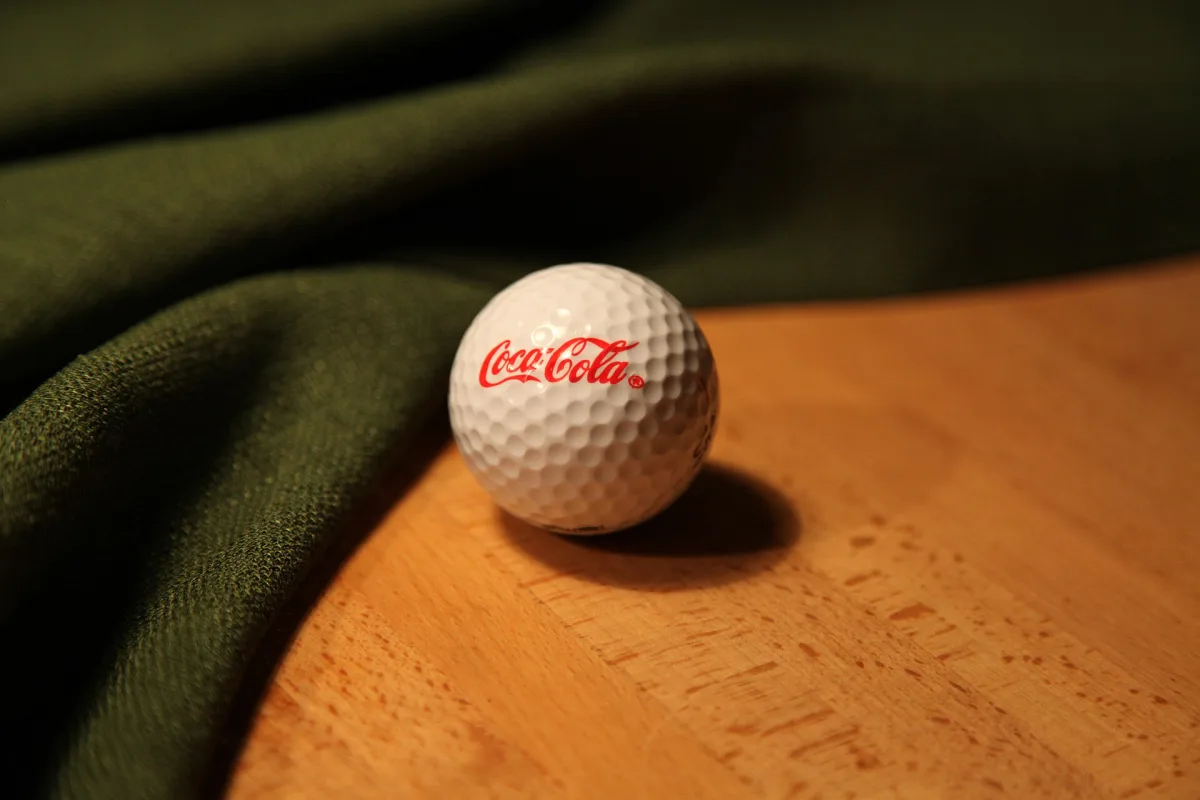
Photo: CulmSee-Axel-acad.2161, CC BY-SA 4.0, via Wikimedia Commons
Set the week’s practice plan
The range basket is emptying fast, and the tournament is close enough that every poor strike suddenly feels meaningful. Start by naming two to four areas that have actually cost you shots recently, such as wedge distance control, tee balls, bunker play, or four-foot putts. [2]
We would skip a last-minute swing rebuild. Professional golfers may practice four to six hours daily, but amateurs generally benefit from shorter, focused sessions where each drill has a purpose and a score. [1]
Put pressure into your drills
Hit shots that can succeed or fail, then record the result. TeeBetter recommends 20 to 30 minutes of scored, pressure-based skill drills, which gives you a reason to focus on the shot in front of you instead of spraying balls toward a target. [2]
For example, give yourself a required result before changing clubs or ending a drill. The goal is not to manufacture tournament pressure perfectly, because a practice consequence is never the same as a scorecard, but to make concentration familiar.
Give the short game its proper share
A tournament score is often shaped by shots inside 50 yards, plus the putts that follow them. GolfLaunchLab allocates about 40 percent of practice time to chipping, pitching, and bunker shots, with 15 to 20 minutes as a workable short-game block. [3]
Use that time on the lies and trajectories you expect to need, then finish each shot as though it counts. A chip session with one ball, one landing spot, and one attempted up-and-down will tell you more than ten balls struck from the same perfect patch.
Practice putting for pace before line
Put 10 to 15 minutes into distance control and green reading, roughly 30 percent of a structured practice session in GolfLaunchLab’s plan. [3] Long-putt pace is a direct tournament issue because it determines how many stressful second putts you leave yourself.
Start with putts that finish inside a comfortable circle around the hole, then add a score. Move to short putts afterward, when your attention has to stay steady even after a miss.
Warm up without spending the first hole finding your swing
Begin each practice session with five to 10 minutes of easy swings, working from short irons toward mid-irons. [2] This is a warm-up, not a diagnostic session, so do not turn the first few heavy shots into evidence that your swing has disappeared.
Add 15 to 20 minutes of flexibility, strength, or endurance work during the preparation period, then use five minutes of light stretching and reflection to finish. [1] Keep notes brief: what held up, what did not, and one priority for the next session.
Check the course and your stock distances
Write down the carry distances you trust, particularly with tee clubs, wedges, and the clubs you use into par 3s. Club selection changes with course layout and conditions including wind, temperature, and humidity, so a tournament is a poor place to guess at a new number. [14]
Use your own launch-monitor or on-course data carefully. A carry number belongs to the swing, strike, ball, and conditions that produced it, and a good tournament plan leaves room for the shot you actually have that day.
Pack legal, familiar equipment
Count your clubs before you leave home. The Rules of Golf limit you to 14 clubs, and tournament preparation should include confirming that your clubs and balls conform, along with removing any damaged balls from the bag. [15]
Check the clubfaces as well. Reflective stickers and tracker dots should come off before play because they can create a rules problem, and adjustable club settings cannot be changed during a round unless restored before you make a stroke. [4]
Keep the ball and loft settings familiar
Use the ball you have practiced with, not a sleeve bought because its package promises extra distance. Golf Monthly’s guidance matches low-compression balls, rated 30 to 60, with swing speeds below 85 mph, mid-compression balls, 60 to 90, with 85 to 105 mph, and high-compression models, 90 plus, with faster swings. [4]
Those ranges are starting points, not a fitting. Driver loft changes can alter launch and spin, but test settings before tournament day and leave the wrench in the bag once play starts. [4]
Build a simple tournament-eve checklist
Lay out clothing, shoes, gloves, rain gear if you use it, scorecard materials, tees, ball marker, sunscreen, food, and filled bottles the night before. This removes rushed decisions from a morning when you should be thinking about your first tee shot.
There is no current, specific evidence-based guidance here for changing tournament preparation around heat, rain, or wind. Adapt with the equipment and course information available, but do not invent a complex weather plan you have never practiced.
Eat the pre-round meal early enough
Have a familiar meal two to three hours before the tee time, built around complex carbohydrates, moderate protein, and low fat. [7] This is not the morning to test a huge breakfast, an unfamiliar supplement, or something greasy because it happens to be convenient.
Thirty to 60 minutes before you tee off, use an easily digested carbohydrate snack with some protein, such as a banana or an energy bar with a 3:1 carbohydrate-to-protein balance. [7] Practice this plan before tournament day so you know it agrees with you.
Start hydration before the parking lot
Drink 13 to 18 ounces of fluid about four hours before your tee time, according to Gatorade’s guidance. [8] Another body-weight-based guideline is five to seven milliliters per kilogram four hours before, with an additional three to five milliliters per kilogram two hours before if needed. [10]
Golf Guidebook also recommends 500 milliliters of water with breakfast. [7] These are frameworks, not a command to force fluid, because hydration needs vary and over-hydrating without electrolytes can create hyponatremia, a dangerously low blood-sodium condition. [12]
Pack fuel you can eat while walking
During the round, take small sips every 10 to 20 minutes and include sodium in your hydration strategy. Athlete Performance Nutrition gives a range of 600 to 750 milliliters per hour, while Golf Guidebook suggests 150 to 200 milliliters every 15 to 20 minutes. [9][7]
Carry small carbohydrate portions you can eat without stopping your routine, including fruit chews, gels, or half sandwiches. [9] For rounds longer than four hours or play in heat, Golf Guidebook flags electrolyte replacement as important. [7]
Avoid the energy crash
Do not build your tournament nutrition around sugary energy drinks or coffee if they have previously left you flat. Golf Monthly advises avoiding them because they can contribute to energy crashes, and a familiar water, electrolyte, and snack plan is easier to manage under pressure. [4]
The right quantity is personal, so use practice rounds to learn what you finish and tolerate. A bottle left untouched until the turn will not help much, and neither will snacks still sitting in the bottom of the bag after the 18th green.
Arrive early enough to find your rhythm
Professionals commonly arrive two to three hours before a tee time for warm-up, practice swings, course familiarization, and mental preparation. [5][6] You may not need to copy every minute of a professional schedule, but we would rather arrive with time to spare than sprint from the parking lot to the first tee.
Use your extra time deliberately. Check in, visit the putting green, hit gradual warm-up shots, confirm the day’s first targets, and leave enough room for a bathroom stop or a backed-up registration desk.
Use a pre-shot routine you can repeat
A consistent pre-shot routine gives your attention somewhere to go when the group behind is watching or the tournament score starts to matter. Golf Monthly identifies it as a way to anchor focus and block distractions. [4]
Keep it short enough to use on every full shot: assess the lie and target, select the shot, take your rehearsal, settle behind the ball, and commit. Do not add steps after one bad hole.
Rehearse the shots and regulate the nerves
Visualization and mental rehearsal can build confidence and reduce anxiety, while controlled breathing can help regulate stress and composure. [16] Before the round, picture a few specific shots you expect to face, including a conservative tee shot and a recovery after a miss.
Pressure is part of the tournament, so reframe it as motivation rather than burden. [16] Establish your own pace through deliberate movement and early arrival, instead of allowing another player’s tempo or a bad bounce to speed you up. [17]
Set goals you can control
Write down process goals before the first tee, such as committing to every target, following your routine, accepting the club you selected, and taking in fluids on schedule. CaddieHQ recommends process-oriented goals because they focus attention on controllable actions rather than outcomes. [18]
A score target can remain in the background, but it cannot help you strike the next shot. Your job is to make the best decision from the lie in front of you, then move on before the next hole asks for the same attention again.
Frequently Asked Questions
How should I structure my practice before a golf tournament?
Focus your practice on two to four specific weaknesses that have cost you shots recently, such as wedge distance control or bunker play. Use scored, pressure-based drills for 20 to 30 minutes to build concentration, and dedicate about 40 percent of your time to short-game work and 30 percent to putting, emphasizing pace before line. Avoid last-minute swing changes and keep sessions purposeful rather than long.
What is the best way to warm up before a golf tournament?
Begin your warm-up with 5 to 10 minutes of easy swings, starting with short irons and progressing to mid-irons. Follow this with 15 to 20 minutes of flexibility, strength, or endurance exercises, then finish with five minutes of light stretching and mental reflection. Arrive early enough to complete this gradual warm-up without rushing and to observe the first few holes.
What equipment should I check before a golf tournament?
Confirm that you have no more than 14 clubs and that all clubs and balls conform to the Rules of Golf. Remove any damaged balls and take off reflective stickers or tracker dots from clubfaces. Test adjustable club settings like driver loft before the tournament and leave the wrench in your bag once play begins to avoid penalties.
How do I manage nutrition and hydration on tournament day?
Eat a familiar meal two to three hours before tee time, focusing on complex carbohydrates and moderate protein. Carry fluids, electrolytes, and small carbohydrate snacks such as fruit chews or energy bars to consume in small portions throughout the round. Staying hydrated with regular sips every 10 to 20 minutes and avoiding sugary energy drinks helps maintain steady energy levels.
What drills help improve short game for tournament play?
Spend about 15 to 20 minutes practicing chipping, pitching, and bunker shots from the lies and trajectories you expect during the round. Use one ball and one target landing spot per drill, finishing each shot as if it counts to simulate pressure. For putting, focus 10 to 15 minutes on distance control and green reading, starting with longer putts that finish inside a comfortable circle before moving to short putts.
How we researched this
This article was assembled from 19 cited references.
Nothing here is based on hands-on testing. Where a figure or finding appears, it belongs to the source cited beside it, and the writing says so rather than implying otherwise. Every source is listed below so you can check it.
Sources
- Daily Practice Routine Of Professional Golfers: Hours And Habits | ShunGolf
- How to Structure a Golf Practice Session, Plan & Routine | TeeBetter
- Golf Practice Routine 2026: Structured Plans for Every Level | GolfLaunchLab
- Practice On A Mat? Golfers Need To Be Aware Of This Major Drawback
- The Art of the Golf Warm-Up: How Pros Prepare Before a Round
- Health Break: Professional golfer gives tips to warm up for a round
- Golf Nutrition Guide: What To Eat Before, During, And After Your Round (2026)
- Hydration & Nutrition Tips for Golfers: Play Your Best Round | Gatorade Official Site
- https://www.athleteperformance-nutrition.com/science/tournament-nutrition-guide
- Tournament Sports Nutrition: FIFA Guidelines Explained - Premier Injuries
- How to stay hydrated while golfing? The ultimate guide
- How to Stay Hydrated While Golfing - IJGA
- Proper Hydration and Diet Before, During and After Your Round - Golf Range Association
- Club Selection Varies Based On Conditions, Golf Swing Tip
- The Rules of Golf Equipment
- Tournament Prep Psychology for Competitive Golf
- Mental Preparation for Golf - A Round, Match or Tournament
- How to Mentally Prepare for a Golf Tournament
- Golf Nutritionist & Sports Dietitian UK | Nutrition & Co
Related Articles

How to Prepare for a Golf Trip: Packing and Planning Tips
Learn how to prepare for a golf trip with packing tips, travel bag advice, and essential equipment to bring for a smooth golf travel experience.

How to Start Playing Golf
Learn how to start playing golf with beginner equipment advice, practice routines, swing basics, and etiquette tips for new golfers.

Prepare Mentally for Golf Tournament: Focus and Routine Tips
Learn how to prepare mentally for golf tournament with focus routines, breathing exercises, and warm-up strategies for better performance.

How to Prepare for a Golf Lesson: Essential Tips
Learn how to prepare for a golf lesson with tips on equipment, warm-up, goals, and what to expect to get the most from your session.