
Wedge Selection for Short Game: Loft and Bounce Explained
Learn how wedge loft and bounce affect your short game and how to choose the right wedges for different turf and lies.
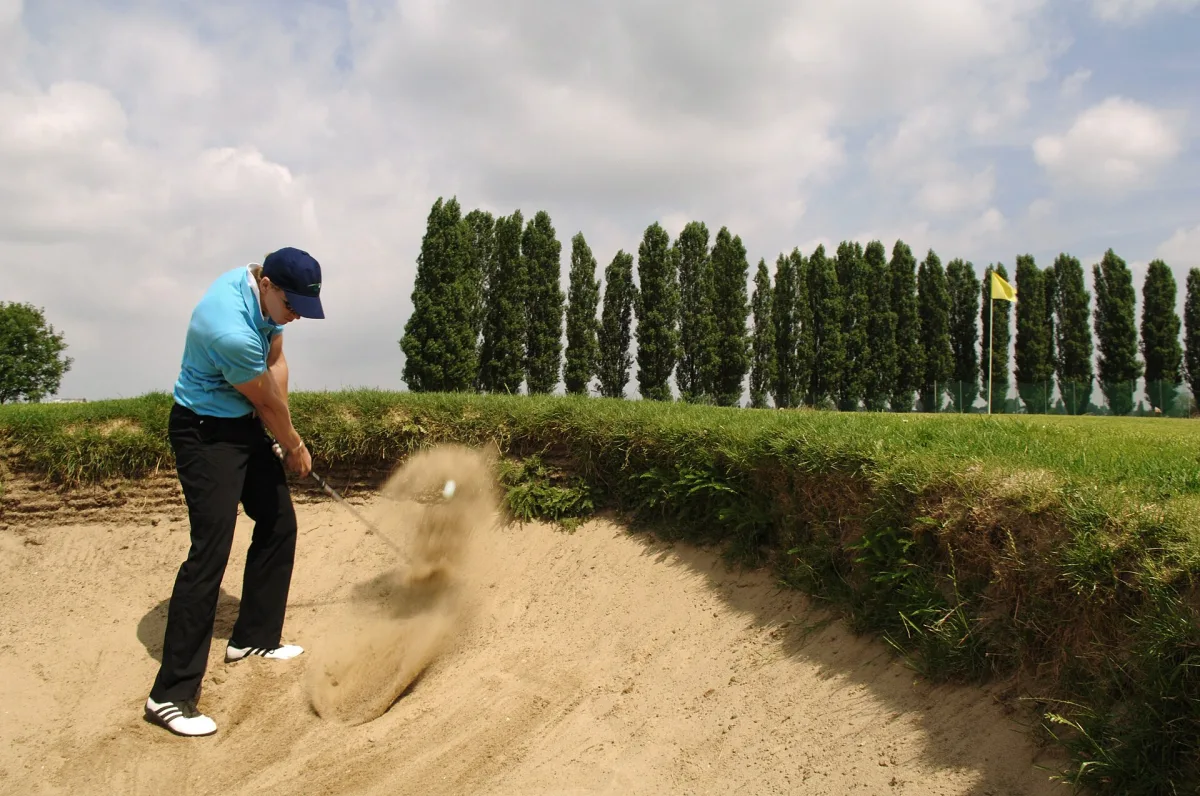
Photo: 22563, CC0, via Wikimedia Commons
Read the lie before pulling a club
A ball sitting on close-cut turf asks for a different shot than one buried in damp rough. Start by looking at the grass under the ball, the amount of green available, and whether the landing area is level. [12][18]
On a tight, firm lie, choose a lower-lofted club and a shot that lands sooner and rolls. On soft turf, a higher-lofted wedge with more bounce can help the sole resist digging into the ground. [5][6]
Do not make the lob wedge your default answer. High-lofted wedges, typically 58 to 64 degrees, launch the ball steeply and can stop it quickly, but they demand reliable strike and are not the easiest choice for every short-sided miss. [5][20]
A 44- to 47-degree wedge produces a flatter bump-and-run flight, which can remove some carry-distance risk when plenty of green sits between your ball and the hole. We would take that lower-risk route whenever the ground allows it. [5][12]
Pick a landing spot, not the flagstick
The flagstick is the finish line, but the landing spot controls the shot. Pick a precise place on the green or fringe where the ball should first land, then judge the roll from there to the hole. [4][12]
Use a towel, headcover, or a small marked area as the target during practice. The Landing Spot Drill asks you to land balls on that object, forcing your attention onto carry distance instead of hoping every shot releases correctly. [2][3]
Your target should shrink as your skill improves. A broad towel gives you an early reference point, while a coin-sized landing area reveals whether your strike and backswing length are repeatable from shot to shot. [7][8]
This changes how you handle a tucked pin. Instead of flying a lob wedge at the cup from an awkward lie, identify the safest available landing zone and accept a longer putt when the direct route brings too much miss into play. [12][18]
Match loft and bounce to the turf
Loft controls the launch window you create, while bounce is the angle that helps the sole interact with the ground. Both affect whether you clip the ball cleanly, dig, or bounce into the ball’s equator. [5][6]
High-bounce wedges, generally 10 degrees or more, suit soft turf, soft sand, and players with steeper swings. The wider effective sole helps keep the leading edge from cutting too deeply into the surface. [6]
Low-bounce wedges, below 8 degrees, are better suited to firm turf and tight lies because they can slide beneath the ball without the sole rebounding too aggressively. They require more care if the ground is soft. [6]
Do not buy a wedge setup around one stock shot. We would build around the conditions you play most often, then learn a lower-running shot and a higher soft-landing shot with the wedges already in your bag. [5][6]
Build a three-swing distance chart
A 70-yard wedge shot should not depend on guessing how hard to swing. Build a chart with three controlled backswing lengths, such as positions resembling 7, 9, and 11 o’clock, and record the carry distance for each. [9][10]
Use a launch monitor, GPS tracking, or measured range targets to establish those numbers. The distance belongs to your swing, your wedge, and the strike quality that produced it, so copy the process, not somebody else’s yardages. [7][9]
Focus this work on the 50- to 100-yard range, where controlled wedge approaches can create realistic scoring opportunities. Hit the same swing length with different trajectories so you learn what changes carry, roll, and stopping power. [7][9]
Keep the chart simple enough to use on the course. If your three stock lengths produce reliable carry windows, you can choose a shot based on the pin, wind, and landing area without manufacturing a different swing for every number. [9][10]
Control the backswing with a ladder drill
Place targets at 5, 10, 15, and 20 paces, then hit shots to each target by changing backswing length while keeping the motion through impact committed. This Ladder Drill gives you a visible distance-control test. [2][3]
Work up the ladder and back down. The return trip matters because it exposes whether you can reduce the swing without decelerating, a common amateur error that produces thin and fat contact around the green. [2][20]
For chips, create a separate ladder at 10, 20, and 30 feet. Land balls on a chosen spot and track where they finish, since two chips with equal carry can finish far apart on different slopes or green speeds. [2][11]
Use a clock system if positions give you clearer feedback than feel. Associate each backswing position with a carry number, then retain a positive through-swing rather than trying to slow the clubhead down at impact. [10][20]
Train clean contact before adding touch
Put a coin just ahead of the ball and make practice swings that strike the ball area first, then the coin. The Coin Drill gives you a simple check on low-point control and discourages trying to scoop the ball upward. [2][4]
Set the ball in a consistent position for your basic chip, rather than allowing it to drift too far forward. A forward ball position can make contact less predictable and encourages the club to bottom out behind the ball. [20]
Keep your chest moving through the strike and avoid leaning back to help the ball into the air. The loft on the club is designed to launch the ball, while a scooping motion adds timing and often produces weak or heavy strikes. [4][20]
Start with a modest carry and a predictable release. Once your contact is solid, change trajectory by changing club, ball position, or landing spot deliberately, not by flicking your wrists at the last instant. [4][18]
Score your practice from 30 yards
Set up The Last 30 Drill from 30 yards and treat each shot as a scoring exercise. The format puts a number on your accuracy, which is better feedback than hitting a bucket and remembering only the good ones. [1]
Use the same target for a set of shots, record your results, then repeat from varied lies. A score creates a baseline you can try to beat, while changing the lie keeps the drill connected to the round you actually play. [1][18]
There is no published comparison showing that one short-game drill consistently outperforms every other drill. We would rotate the Last 30, Ladder, Landing Spot, and Clock drills according to the weakness your scoring reveals. [1][2][3][10]
If your misses finish long and short, return to landing-spot work and backswing calibration. If your misses come from poor strike, use the Coin Drill and practice from tighter turf before chasing a more elaborate technique change. [2][4]
Read speed and slope before choosing chip or putt
Green speed changes how much energy the ball needs. Stimpmeter readings around 7 to 9 feet are considered slow, while 11 to 13 feet are fast, demanding softer touch and more caution downhill. [11]
Read the slope from your ball to the landing area and from the landing area to the hole. Uphill slows the ball, downhill accelerates it, and sidehill slopes create break that can move a softly struck chip well away from the cup. [11]
On a steeply sloped green, a chip can sometimes reduce the amount of break compared with a long putt. That is not automatic, but it is a shot-selection question to ask before defaulting to the putter. [11][12]
Grain can also influence roll, so look at the surface from more than one angle. Then choose a landing spot that leaves the ball rolling across as little severe slope as possible. [11]
Practice the lies that inflate your score
A clean practice-mat lie hides many short-game problems. Add light rough, downhill lies, uphill lies, tight turf, and bunker shots to your sessions, because each changes strike, launch, and how much the ball releases. [18][20]
Create a Towel Landing Ladder with targets at 6, 9, and 12 feet. Hit a sequence to each towel, then vary the lie while preserving the same objective, which is controlled carry to a defined landing zone. [2][3]
Use a Clock Drill around one hole to practice putts from several distances and directions. This exposes uphill, downhill, and sidehill pace differences, making your green-reading work part of your scoring practice. [2][11]
Keep a record of misses by pattern. A repeated heavy chip from wet grass points toward turf interaction or low-point control, while repeated long downhill putts point toward speed management and slope reading. [6][11][20]
Adjust for cold, wet, and windy rounds
Cold weather can reduce carry distance by roughly 10 yards for every 5 degrees Celsius drop. Take more loft or shorten the backswing when needed, then make a controlled swing instead of trying to force normal-summer yardage. [15][16]
Wet turf reduces roll and can cause the ball to plug, so plan for more carry and consider a wider-sole wedge. Soft conditions are where higher bounce can protect you from digging behind the ball. [6][16]
Wind calls for smoother swings, more club selection, and lower flight when possible. A lower-running option can be easier to control than a high shot that must stay in the air through a gust. [17]
Dry and clean your clubs after cold or damp rounds. Equipment care is basic, but damp conditions and repeated exposure can affect both the clubs and your willingness to practice the shots you need. [15][17]
Set up a practice station you will actually use
A basic home short-game setup can cost roughly $85 to $170, including a $50 to $100 putting mat, a $20 to $40 chipping net, $10 to $20 foam balls, and $5 to $10 alignment sticks. [13]
Individual aids can also fill a specific gap: alignment sticks run about $15 to $25, putting mirrors about $20 to $40, and impact bags about $25 to $50. Buy the aid that supports a defined drill, not the one with the loudest promise. [14]
Fifteen minutes of daily, purposeful practice has been associated with three to four strokes gained per round. Consistency and feedback drive that benefit, so use targets, score the session, and repeat the drills that expose your current weakness. [13]
Space and equipment quality still set limits. We would begin with foam balls, a target, and alignment sticks, then add a mat or net only if you have room and a routine that makes the setup earn its cost. [13][14]
Frequently Asked Questions
How do I choose the right wedge loft and bounce for my short game?
Start by assessing the lie, turf conditions, and your swing type. Use higher lofted wedges (58°, 64°) for steep, soft lies that require quick stopping power, and lower lofted wedges (44°, 47°) for bump-and-run shots on firmer ground. Match bounce to turf firmness: high bounce (10° or more) suits soft turf and steep swings, while low bounce (under 8°) works better on firm, tight lies.
What wedge bounce is best for firm turf or soft turf?
Low-bounce wedges below 8 degrees are best for firm turf and tight lies because they slide under the ball without digging. High-bounce wedges, generally 10 degrees or more, are better for soft turf and sand, as their wider sole prevents the club from digging too deeply.
Should I use a lob wedge for every short game shot?
No, the lob wedge should not be your default for every short game shot. While it produces a steep trajectory and quick stopping, it demands precise contact and is not always the easiest choice. Lower-lofted wedges that create bump-and-run shots are often safer and more reliable when plenty of green is available.
How does wedge selection affect chipping and pitching performance?
Wedge loft influences the ball’s launch angle and stopping ability, while bounce affects how the club interacts with the turf. Choosing the right combination helps avoid digging or bouncing into the ball, improving contact quality. Matching loft and bounce to lie and turf conditions leads to more consistent shots around the green.
What wedges work best for different lies around the green?
For tight, firm lies, lower-lofted wedges with low bounce help produce bump-and-run shots that roll out predictably. For soft or rough lies, higher-lofted wedges with more bounce prevent the sole from digging, allowing cleaner contact and better control. Adjust your wedge choice based on the lie and how much green you have to work with.
How we researched this
This article was assembled from 20 cited references.
Nothing here is based on hands-on testing. Where a figure or finding appears, it belongs to the source cited beside it, and the writing says so rather than implying otherwise. Every source is listed below so you can check it.
Sources
- The Last 30 · Chipping & Pitching drill · Solid Swings
- 9 Best Golf Chipping Drills to Sharpen Your Short Game
- Chipping vs Pitching: Timed Drills to Know the Difference - Intervals.Golf Blog
- Mastering The Art Of Chipping Around The Green In Golf | ShunGolf
- Best Lob Wedges 2026
- Wedge Bounce Guide: Master Your Short Game with the Right Bounce
- Distance Control in Golf, Definition & Exam… | SwingVantage
- 5 drills to improve your short-game distance control | Instruction | GOLF.com
- Wedge distance control: build a three-swing chart for 50-100 yards | The Head Pro
- Wedge Distance Control: Master The Clock System
- How to Read Greens: Slope, Speed and Grain Explained
- 6 evidence-based chipping strategies that actually work | How To Play Golf | GolfDigest.com
- The Complete Home Golf Practice Guide
- Best Golf Training Aids in 2026: What Actually Works (And What's a Waste of Money) | The Golf Ace
- Cold Weather Play, Golf Tip
- Autumn Golf: Cold Air, Soft Turf, and Shorter Days
- Weather & Seasonal Golf: Play Well in Any Conditions
- Short Game in Golf: Shots, Tips & Practice Guide
- Short Game Mastery - Lower Your Scores Fast - The Golfing Lad
- 3 Common Chipping Mistakes Amateur Golfers Make
Related Articles

Best Golf Drills for Short Game: Improve Chipping & Control
Discover the best golf drills for short game to improve chipping accuracy, distance control, and course strategy with practical landing spot methods.

Factors Affecting Golf Course Conditions
Learn the key factors affecting golf course conditions including soil, moisture, temperature, irrigation, and mowing for optimal turf health and
Best Golf Ball for Control: Srixon Z-Star Diamond vs Pro V1
Compare the best golf ball for control: Srixon Z-Star Diamond vs Titleist Pro V1 for wedge spin, feel, and short-game performance.
Playing Golf in Windy Conditions: Tips and Strategies
Learn how to play golf in windy conditions with club selection, swing adjustments, and course strategy to improve your game in the wind.