
Best Golf Ball for Control: Srixon Z-Star Diamond vs Pro V1
Compare the best golf ball for control: Srixon Z-Star Diamond vs Titleist Pro V1 for wedge spin, feel, and short-game performance.
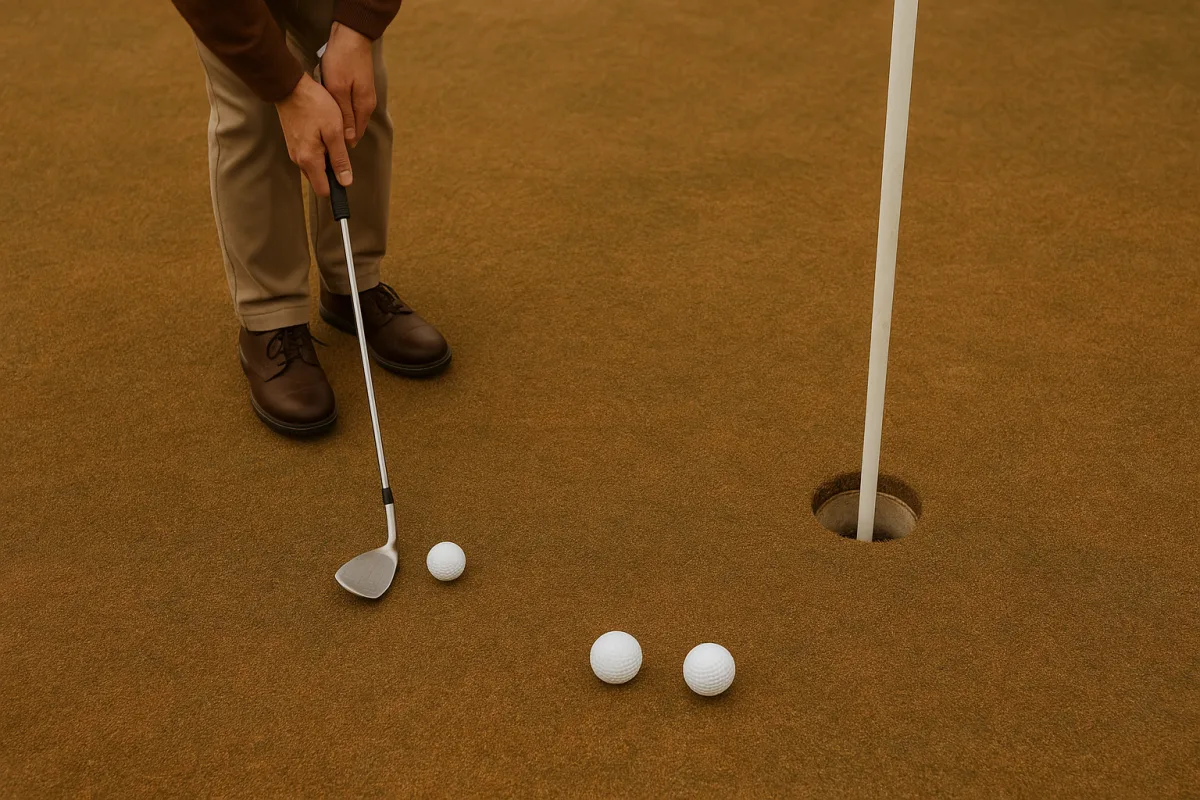
The decision: Srixon Z-Star Diamond versus Titleist Pro V1
The best golf ball for control is not necessarily the ball that produces the most spin in a robot test. Control means predictable launch, check and release around the green, plus enough iron spin to hold the greens you actually play.
For this decision, the two serious options are the Srixon Z-Star Diamond and the Titleist Pro V1. Both sit in the premium category, both target skilled players, and both are credible short-game balls. I have not hit either, so this is a recommendation based on the available reporting and product positioning, not a personal test.
My pick for the specific goal of improving short-game performance is the Srixon Z-Star Diamond. It gets the nod because it is positioned around iron and wedge spin, especially for players trying to stop approach shots on firm greens. [6]
That is not a claim that the Z-Star Diamond is universally better. If your short shots already check enough and your bigger problem is playing in wind, managing flight, or simply preferring the Pro V1’s responsive feel, the Titleist remains an extremely sensible choice. [4]
Head-to-head comparison
| Criterion | Srixon Z-Star Diamond | Titleist Pro V1 | Edge |
|---|---|---|---|
| Price position | Premium ball, although Srixon’s tour-level range is often positioned as a more accessible premium alternative than some rivals. [9] | Premium ball and a long-established benchmark in the tour-ball category. | Depends on current local pricing, which changes too often to call here |
| Cover and short-game category | Premium urethane-type control category, aimed at players seeking spin from wedges and irons. [6][10] | Premium urethane-type control category, built for responsive feel and all-round performance. [4][10] | Tie |
| Wedge and iron stopping power | The clearer specialist case. It suits golfers relying on iron and wedge spin to hold firm greens. [6] | Strong all-round control, but its cited positioning is broader than maximum approach-spin emphasis. [4] | Z-Star Diamond |
| Greenside feel | Likely to suit players who want a tour-style response rather than an ultra-soft, low-compression sensation. Exact feel remains personal. | Reported as responsive, a useful quality for players judging strike and release on chips and pitches. [4] | Pro V1, if responsive feedback matters most |
| Flight and wind use | Strong all-around option, but the available brief gives less specific wind-related support. | Specifically praised for wind resistance alongside total performance. [4] | Pro V1 |
| Compression and speed fit | No consistently published, comparable compression figure should decide this choice. Test it with your own delivery. [8][12] | The same warning applies. A compression number is not a universal control score. [12] | Tie |
| Main weakness | It may add spin where a player already produces too much, making distance control harder rather than easier. | It may be more ball than a mid-handicap player needs if strike quality and launch are inconsistent. | Depends on the player |
| Best buyer | A player whose shots land but do not stop, particularly on firm greens. | A low-handicap golfer wanting balanced control, wind performance and responsive feel. [4] | Different golfers |
Why the Z-Star Diamond gets the narrow win
The Srixon Z-Star Diamond is the better answer when “control” means getting a mid-iron or wedge to land, take a bounce and stop nearer its pitch mark. Golf Monthly’s Srixon guide positions it for players who depend on iron and wedge spin to hold greens. [6]
That matters for a mid-handicap golfer because course conditions can expose a shortage of spin quickly. A ball that releases six or eight extra feet after landing can turn a sensible approach into a difficult downhill putt.
Still, more spin is not automatically more control. If you already hit high-spinning wedges, additional spin can exaggerate strike differences. A slightly heavy pitch may come up short, while a clean one may rip back farther than expected.
The useful question is not, “Which ball spins most?” It is, “Which ball gives me the most repeatable carry-and-release window?” That requires observing a series of similar shots, not drawing a verdict from one good spinner.
The Z-Star Diamond’s case is strongest for a golfer playing firm, fast greens, or someone whose current ball carries nicely but releases too much. It is also a sensible premium choice for players who prioritize scoring shots over chasing one more yard of driver distance. [6]
Why the Pro V1 remains close
The Titleist Pro V1 is not a consolation prize in this comparison. It is the better choice for the golfer who wants short-game control without treating the ball as a specialist wedge-spin purchase.
Reporting on low-handicap ball choices highlights the Pro V1’s total performance, wind resistance and responsive feel. [4] That balanced brief is important, because a ball decision has to work from tee to green, not only on a 40-yard pitch.
Wind performance is a real control attribute. If a ball flight holds its line better in a crosswind, you can aim at a smaller target. That can matter more over 18 holes than marginal differences in greenside spin.
The Pro V1 is therefore my recommendation for a competent player who plays exposed courses, controls trajectory reasonably well and likes clear feedback off the putter and wedge face. Responsive does not necessarily mean firm, and feel is too personal to declare a universal winner.
Where it falls down is simpler: it cannot repair poor contact. A thin chip, a wedge struck from the heel, or a steep, digging delivery will still produce inconsistent launch and spin. The ball is part of the system, not the cure.
Urethane matters more than “soft”
A common ball-buying mistake is treating soft feel as proof of better short-game control. The research brief points in a different direction: cover material and construction matter more than the word “soft” on the box. [15]
Urethane covers are generally associated with the spin and feel players want around the green, while ionomer covers are generally more durable but provide less greenside control. [10] That is why the Z-Star Diamond and Pro V1 belong in this final pairing.
This does not mean every golfer must buy a premium urethane ball. A player who loses several balls a round may score better with a less expensive model played consistently, rather than switching between premium and distance balls whenever the bag runs low.
Compression is another number that can mislead. Low-compression balls are commonly associated with softer feel and slower swing speeds, while mid- to high-compression designs are often aimed at faster players. [7] But that is a fitting starting point, not a verdict.
Manufacturers do not consistently disclose comparable compression or spin figures for every current ball. [8] More importantly, a launch-monitor spin number belongs to the swing, strike, club loft, delivered loft and turf conditions that produced it.
If one player generates 9,000 rpm with a 56-degree wedge and another produces 7,000 rpm with the same ball, the ball did not create the whole difference. The swing delivered different conditions. Most distance claims, and plenty of spin claims, sit within more noise than marketing admits.
Where the rest of the field fits
The remaining balls are not finalists in this particular decision, but each has a clearer role than simply being “cheaper” or “softer.” Price positioning below is relative, not a current shelf-price claim.
| Ball | Price position | What it suits |
|---|---|---|
| TaylorMade TP5 | Premium | Mid-handicap golfers with high swing speeds who want high spin while still valuing ball speed and distance. [[3]](https://www.gimmeballs.golf/subscribe---save/taylormade-tp5-golf-balls-2026/gmb-tm26-tp5/gmb-tm26-tp512?srsltid=AfmBOoo_60iAErHb2iT5Y1vxaI9WMOeIEVYUynilCSRJIon3nGOku1GG&utm_source=openai "TaylorMade TP5 Golf Balls 2026 |
| Callaway Chrome Tour | Premium | Golfers seeking soft feel combined with spin control. Callaway’s buyer guidance places ball fit around the player’s needs rather than one universal model. [[2]](https://www.amateurgolf.com/golf-equipment-reviews/putters-balls/2026-callaway-golf-ball-buyers-guide-how-to-find-the-right-callaway-ball-for-your-game-ef2785?utm_source=openai "2026 Callaway Golf Ball Buyer’s Guide: How to Find the Right Callaway Ball for Your Game |
| Titleist Pro V1x | Premium | Players who prefer a firmer, longer tour-ball profile. |
| TaylorMade TP5x | Premium | Players prioritising ball speed and distance. It belongs in the same broad premium category as the TP5, but its fit is more speed-led. [[3]](https://www.gimmeballs.golf/subscribe---save/taylormade-tp5-golf-balls-2026/gmb-tm26-tp5/gmb-tm26-tp512?srsltid=AfmBOoo_60iAErHb2iT5Y1vxaI9WMOeIEVYUynilCSRJIon3nGOku1GG&utm_source=openai "TaylorMade TP5 Golf Balls 2026 |
| Mizuno Pro X | Entry-level, lower-cost position | Budget-conscious golfers seeking strong performance without moving straight to premium pricing. |
| Srixon Q-Star Tour | Mid-range | Moderate players who want value and near-tour-level control without committing to a premium ball. [6] |
| Callaway Supersoft | Entry-level, more affordable position | Golfers wanting a notably soft feel at a lower cost, rather than maximum greenside spin. [13] |
| Srixon AD333 | Entry-level | Beginners seeking a blend of distance, feel and affordability. [6] |
| Titleist TruFeel | Entry-level | Golfers with swing speeds under 85 mph who prioritise a soft feel. |
The TaylorMade TP5 deserves attention for a faster-swinging mid-handicap golfer who needs spin, but its reported design emphasis includes speed and distance. [3] That makes it less direct than the Z-Star Diamond for a buyer whose sole priority is making short approaches stop.
The Callaway Chrome Tour is the main alternative for someone who wants soft feel and spin control in the same premium package. [2] It may suit a player who dislikes the firmer response of some tour balls, but the brief gives the Srixon a more explicit firm-green, wedge-spin case.
The Pro V1x and TaylorMade TP5x belong in the conversation for golfers who prefer firmer, longer tour-ball profiles or put ball speed first. They are not poor control balls, but their stated fit is less specifically about improving short-game stopping power.
At the lower price positions, the Srixon Q-Star Tour is the control-oriented compromise. It is the model to consider when premium urethane pricing makes regular play unrealistic, yet you still want something close to tour-style control. [6]
The Callaway Supersoft, Srixon AD333 and Titleist TruFeel have sensible jobs too. They suit players prioritising soft feel, affordability, distance, or lower swing-speed compatibility, but none has the same stated short-game-control target as the two finalists. [13]
Conditions can change the answer
Temperature affects ball performance. Cold conditions can reduce distance and spin, while excessive heat can affect ball speed. [11] If your winter wedge shots suddenly release more, do not assume your technique has disappeared overnight.
Humidity is much less important to short-game control than many golfers think. Ballfitting research notes that humidity has minimal practical effect compared with temperature and air density considerations. [11] Do not change ball models because the forecast says humid.
Dimple patterns affect aerodynamics, flight and dispersion, but they are not a shortcut to choosing a greenside ball. [7] A ball’s cover, construction and your impact conditions all interact, so dimple count alone cannot identify the best chip-and-pitch option.
Who each option suits
Choose the Srixon Z-Star Diamond if your main scoring problem is approaches and wedges that land on firm greens but release too far. It is the narrower, more spin-focused recommendation, especially for a player who creates decent contact and wants more stopping power. [6]
Choose the Titleist Pro V1 if you want a premium ball that covers more bases: responsive short-game feel, all-round performance and a reputation for handling wind well. It is particularly suited to lower-handicap golfers who want control without making maximum wedge spin the entire buying decision. [4]
If you cannot identify a meaningful difference after a proper comparison, do not force one. They are close enough that repeatable strike, wedge loft gapping, turf interaction and practice on your usual greens will matter more than the logo on the ball.
Frequently Asked Questions
What is the best golf ball for control around the greens?
The best golf ball for control depends on your specific needs. The Srixon Z-Star Diamond is recommended for golfers seeking improved wedge and iron stopping power on firm greens. Meanwhile, the Titleist Pro V1 is a safer all-round choice offering responsive feel and stable performance, including in windy conditions.
How does the Srixon Z-Star Diamond compare to the Titleist Pro V1 for control?
The Srixon Z-Star Diamond is positioned more as a specialist ball for iron and wedge spin, making it suitable for players wanting to stop approach shots quickly. The Titleist Pro V1 offers strong all-round control with a focus on responsive feel and wind resistance, appealing to players who value consistent performance in various conditions.
Which golf ball offers better wedge and iron stopping power?
The Srixon Z-Star Diamond has a clearer specialist reputation for wedge and iron stopping power, especially on firm greens. The Titleist Pro V1 provides strong control but with a broader focus beyond maximum approach-spin emphasis.
How do golf ball cover and compression affect control?
Both the Srixon Z-Star Diamond and Titleist Pro V1 use premium urethane covers that enhance short-game spin and feel. However, softness and compression alone do not reliably predict control for every swing. Compression ratings vary and should not be the sole factor in choosing a ball; testing with your own swing is recommended.
Should I choose a golf ball based on spin or feel for better control?
Control involves predictable launch, spin, and feel around the greens. If your short shots need more stopping power, a ball emphasizing spin like the Srixon Z-Star Diamond may help. If you prefer responsive feedback and stable performance, a ball like the Titleist Pro V1 that balances spin and feel could be better. Testing both with your own shots is advised.
How we researched this
This article was assembled from 15 cited references.
Nothing here is based on hands-on testing. Where a figure or finding appears, it belongs to the source cited beside it, and the writing says so rather than implying otherwise. Every source is listed below so you can check it.
Sources
- Best Golf Balls 2026: Specs, Feel & Who They Suit | Pro Golf Picks
- 2026 Callaway Golf Ball Buyer’s Guide: How to Find the Right Callaway Ball for Your Game | AmateurGolf.com
- TaylorMade TP5 Golf Balls 2026 | gimmeballs
- Best Golf Balls for Low Handicappers – Control, Spin and Feel– Found Golf Balls
- Best golf balls for spin 2025: 62 models robot tested
- Best Srixon Golf Balls 2026
- Golf Ball Compression Chart 2026: What Rating Should You Play? | BallCaddie
- Golf Ball Information Chart 2026 (Layers, Spin, Compression)
- Best Golf Balls 2026: Tested and Matched to Your Game - The Golfer's Yard
- What is a golf ball cover?
- How Humidity Affects Golf Ball Distance | Ballnamic
- Golf Ball Compression Explained: What Compression Really Means – Snell Golf
- Callaway Supersoft
- 【楽天市場】(即納)タイトリスト(Titleist) AVX ゴルフボール 1ダース(12球) 2026年モデル (日本正規品):ゴルフセブン
- Buying guide for Golf Balls - GolfOnline
Related Articles

Best Golf Ball for Distance
Compare the best golf ball for distance in 2026, including Titleist Velocity and Callaway Warbird, plus tips on compression and launch for max distance.
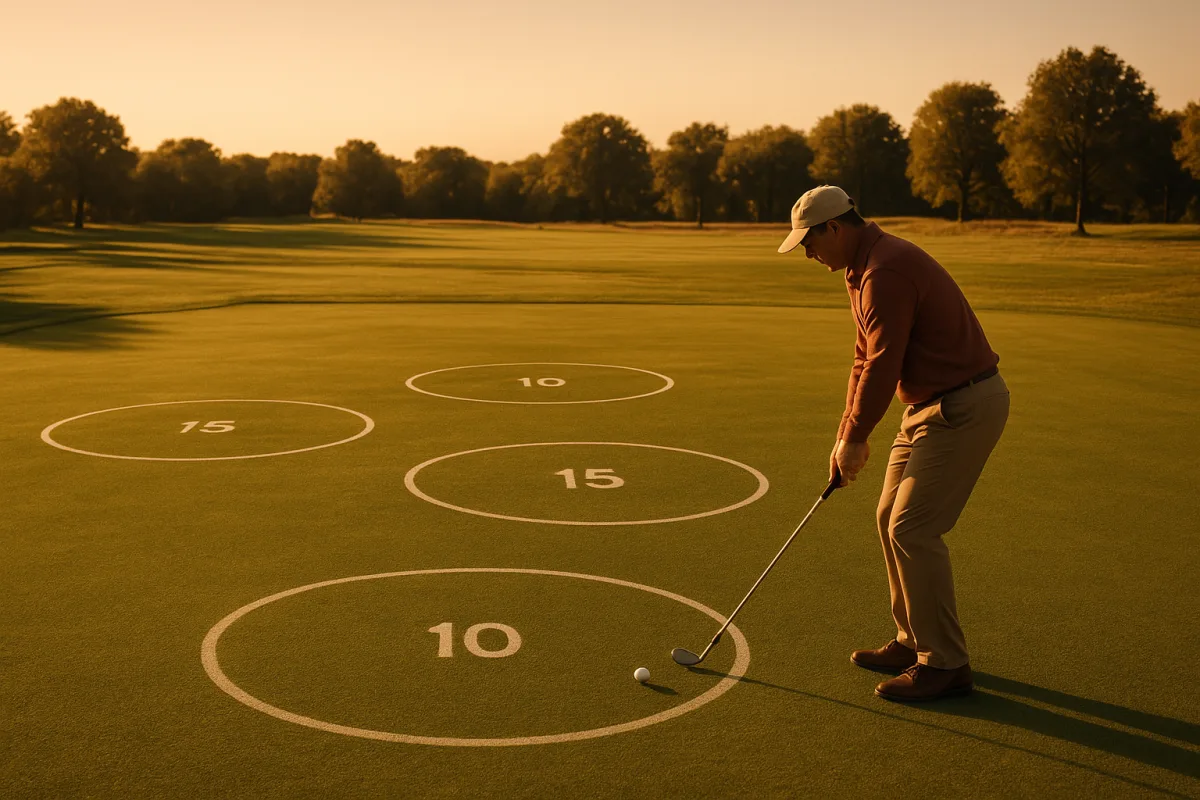
Best Golf Drills for Short Game: Improve Chipping & Control
Discover the best golf drills for short game to improve chipping accuracy, distance control, and course strategy with practical landing spot methods.

Golf Showdown: Mark Crossfield's Quest for Senior Tour Qualification
Mark Crossfield faces a crucial decision on whether to qualify for the senior's tour in a high-stakes golf match against friend Matt. The game unfolds with strategic club choices, insightful feedback, and competitive banter, offering a glimpse into the intense world of professional golf.

Tumi Golf Bag Review: Luxury Performance for Discerning Golfers
Discover the luxury and performance of the Tumi golf bag on Modern Golf. Crafted with ballistic nylon and premium materials, this $1,000 bag offers unique features like a foldable neoprene rain hood and ample storage. Perfect for golfers seeking style and functionality on the course.