
How to Clean Golf Clubs: Best Methods and Tips
Learn how to clean golf clubs properly with step-by-step tips for irons, woods, and grips to keep your clubs in top condition.
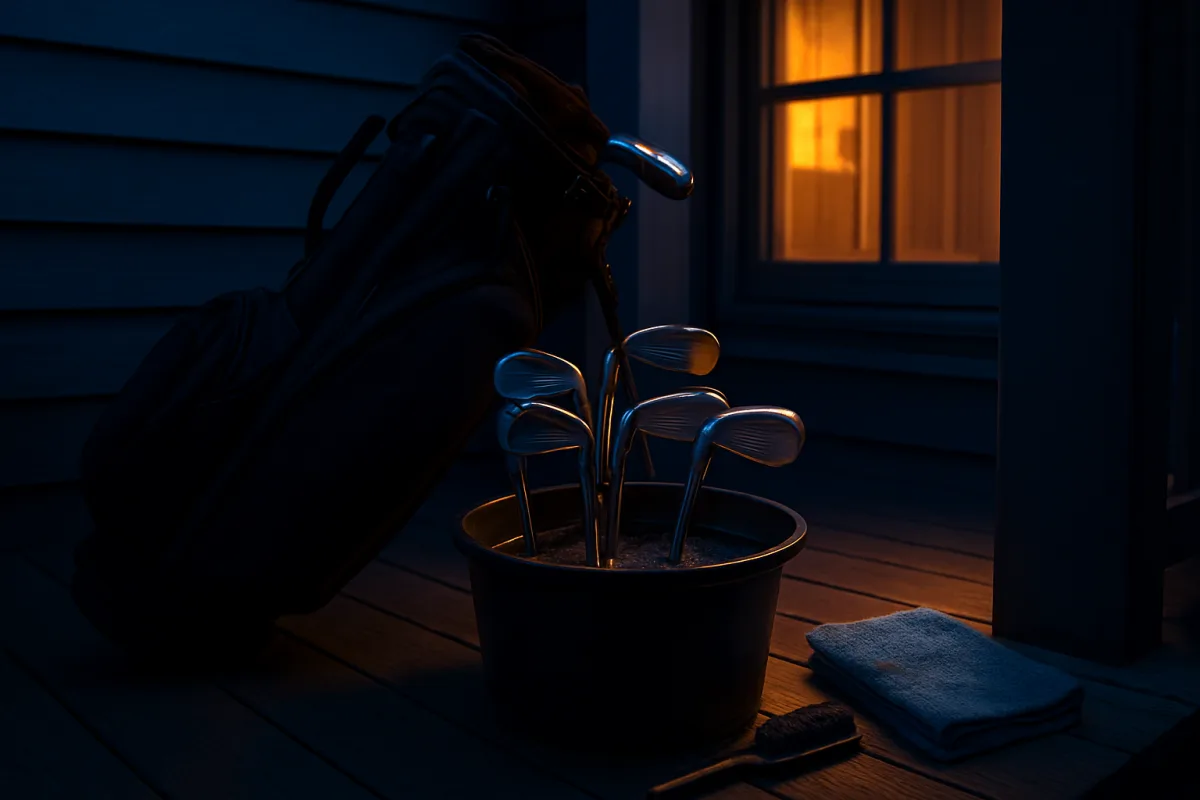
Remove loose dirt after the round
Mud packed into an 8-iron’s grooves and a wet wedge sitting in the bag are the jobs to handle first. Use a damp cloth to wipe each head, shaft, and grip after every round or practice session.[2][10]
This quick pass keeps soil from drying into the scorelines and leaves less scrubbing for later. If you played from wet turf, sand, or mud, clean the clubs promptly because trapped moisture raises the risk of rust and finish damage.[4][8]
Separate irons from woods before washing
Lay the clubs out and group irons and wedges separately from drivers, fairway woods, and hybrids. These heads need different treatment because iron faces tolerate a brief soak, while wood and hybrid heads should be wiped with a damp cloth.[3][5]
We would also set the putter aside for wipe-down cleaning unless its maker gives different care instructions. The broad rule is simple: do not submerge clubs with painted crowns, bonded components, grips, or shafts.[2][9]
Set up a mild cleaning bucket
Fill a bucket or sink with warm water and add a small amount of mild dish soap. The guidance supports mild soap and warm water, but does not establish one exact soap-to-water ratio, so avoid making a heavily sudsed solution.[5][7]
Keep a soft towel, damp cloth, brush, and wooden tee or groove cleaner beside the bucket. Skip harsh chemicals, abrasive pads, and steel brushes, which can strip finishes, discolor metal, damage grips, or mark clubfaces.[4][5]
Soak iron and wedge heads briefly
Lower only the heads of your irons and wedges into the warm, soapy water. Keep the water below the ferrule, the small collar where the shaft meets the head, and limit the soak to five to 10 minutes.[3][5]
Do not leave the bucket unattended while the heads sit. Longer soaking can let water reach areas around the ferrule, while soaking shafts or grips can let moisture get under the grip and weaken adhesive or encourage rust.[3][9]
A few minutes is enough to loosen dried grass, soil, and sand. If the club is only lightly dirty, skip the soak altogether and clean the face with the damp cloth and a gentle brush.[2][8]
Brush the face and clear the grooves
Use a brass- or bronze-bristled brush on irons and wedges. Those bristles clean dirt from the face and grooves without the scratching risk associated with steel bristles, provided you use light pressure rather than aggressive scraping.[4][5]
Work across the face, sole, and back of the head, paying particular attention to the grooves. A groove cleaner or wooden tee can lift compacted dirt from individual scorelines without digging at the face with a hard metal tool.[5][10]
Run the brush with the groove pattern and keep the job gentle. There is no established scrubbing time, so clean until visible dirt is gone instead of treating the clubface like a grill grate.[5]
Raw and satin-finish wedges deserve extra attention once they are clean. These finishes can be especially vulnerable to rust when moisture remains on the head, so move directly from cleaning to drying.[4][9]
Wipe drivers, fairway woods, and hybrids
Clean a driver, fairway wood, or hybrid with a damp cloth, then use a nylon-bristled brush only where dirt remains. Nylon is the recommended bristle type for these heads because it is kinder to painted finishes.[5][9]
Do not soak these clubs in the bucket. Water around the head, ferrule, shaft, and bonded construction creates a risk the brief iron-head soak is designed to avoid.[3][5]
Use the cloth around the crown, sole, and face, and avoid hard pressure on painted areas. A clean face is the target, not a polished-looking crown with fresh brush marks.[2][9]
Clean the shafts and grips without soaking them
Wipe every shaft with a damp cloth, including the section near the ferrule where grass and dirt collect. Do not immerse shafts in water, because moisture can work into places where it promotes corrosion or affects the grip bond.[5][9]
Clean grips with the same damp-cloth approach and mild soapy water only as needed. Do not soak them, and do not use harsh cleaners that can damage or degrade the grip material.[2][5]
A monthly deeper clean should include the grips, especially if you play often. Dirt, sunscreen residue, and moisture are reasons to wipe them down, but the cleaning method remains gentle rather than abrasive.[2][10]
Rinse residue and dry every club immediately
After brushing an iron or wedge, rinse away soap and loosened dirt without soaking the shaft or grip. Then dry the entire head immediately with a soft towel, including the grooves, sole, ferrule area, shaft, and grip.[5][9]
Do not put damp clubs straight back into the bag. Moisture left on a head can contribute to rust, particularly on wedges with raw or satin finishes, and a wet grip can deteriorate over time.[4][9]
Check the towel around the back edge of the clubhead and the underside of the shaft. Those spots are easy to miss, and they are exactly where a club can stay wet after the face looks clean.[5]
Follow a cleaning schedule that matches your play
Give the set a quick wipe after every round or practice session. This takes care of fresh moisture and loose debris before it hardens, and it means the next full clean starts from a much better place.[2][10]
If you play frequently, wash the iron and wedge heads thoroughly about once a week. Make the monthly session the deeper one, including grips and a close look at heads, shafts, ferrules, and any spots showing early rust.[5][9]
Mud and sand change the schedule. A dry-weather round may need only a wipe, but clubs used from muddy ground or wet bunkers should be cleaned soon after play rather than left dirty in the bag.[4][8]
Store the clubs dry and out of temperature swings
Put the clubs away only when they are dry, in a cool and dry place. Damp storage and repeated temperature swings can encourage rust and contribute to grip degradation, even if the clubs looked clean when they went into the bag.[1][9]
Avoid leaving the bag in a damp garage, shed, or car trunk for extended periods. Golf Monthly specifically warns that cold and damp car storage can be hard on equipment, particularly when moisture is involved.[1]
If your clubs came home wet, leave the bag open long enough for remaining moisture to escape after you have towel-dried each club. The goal is dry heads, dry grips, and no trapped dampness around the shafts.[1][9]
Leave adjustable mechanisms alone unless the maker says otherwise
The cleaning guidance here does not establish a separate procedure for adjustable hosels, movable weights, or other adjustable club components. Wipe the exterior carefully with a damp cloth and avoid forcing water into seams or openings.[5][9]
We would not apply oil, solvent, or extra cleaning chemicals to those mechanisms without the club manufacturer’s instructions. Mild soap, limited water, and immediate drying remain the supported approach for the rest of the club.[5][7]
Frequently Asked Questions
What is the best way to clean golf clubs after a round?
After each round, wipe dirt and moisture from every club using a damp cloth. This quick cleaning prevents soil from drying in the grooves and reduces the need for heavy scrubbing later. Prompt cleaning is especially important if you played on wet or muddy turf to avoid rust and finish damage.
How long should I soak my golf clubs when cleaning?
Only soak the heads of irons and wedges, keeping the water level below the ferrule, for five to 10 minutes. Avoid soaking woods, hybrids, shafts, or grips, as prolonged exposure to water can cause damage or weaken adhesives.
Can I use steel brushes to clean golf clubs?
No, steel brushes should be avoided because they can scratch and damage the clubface and finish. Instead, use brass or bronze bristles for irons and wedges and nylon bristles for painted woods and hybrids.
How do I clean different types of golf clubs like irons and woods?
Iron and wedge heads can be soaked briefly in warm, soapy water and then brushed with a brass or bronze brush to clean the grooves. Drivers, fairway woods, hybrids, and putters should be cleaned by wiping with a damp cloth and using a nylon brush if needed, avoiding soaking.
What cleaning tools are safe for golf club grips and shafts?
Use a damp cloth to wipe grips and shafts after play. Avoid soaking these parts or using harsh chemicals and abrasive tools, as moisture can seep under grips causing rust and weakening adhesives, and abrasive tools can damage finishes.
How we researched this
This article was assembled from 10 cited references.
Nothing here is based on hands-on testing. Where a figure or finding appears, it belongs to the source cited beside it, and the writing says so rather than implying otherwise. Every source is listed below so you can check it.
Sources
- Does Leaving Your Golf Clubs In The Car In Winter Actually Damage Them?
- How to clean your golf clubs and apparel (without damaging them) | Gear | GOLF.com
- How Long Can You Soak Golf Clubs?
- How to Clean Golf Clubs (Including Rust Removal) | StickPicker
- How to Clean Golf Clubs | Complete Step-by-Step Guide, Club Doctor Golf
- Do Golf Clubs Wear Out? When to Replace Your Equipment
- Can You Clean Golf Clubs With Soap And Water? Yes! - Cleanupdude
- How to Clean Golf Clubs Effectively for Better Performance - The Golf Hub
- How to Clean Your Golf Clubs the Right Way (2026 Guide) | Golf Club Brokers
- How to Clean Golf Clubs, On the Course and at Home - GolfOnline
Related Articles
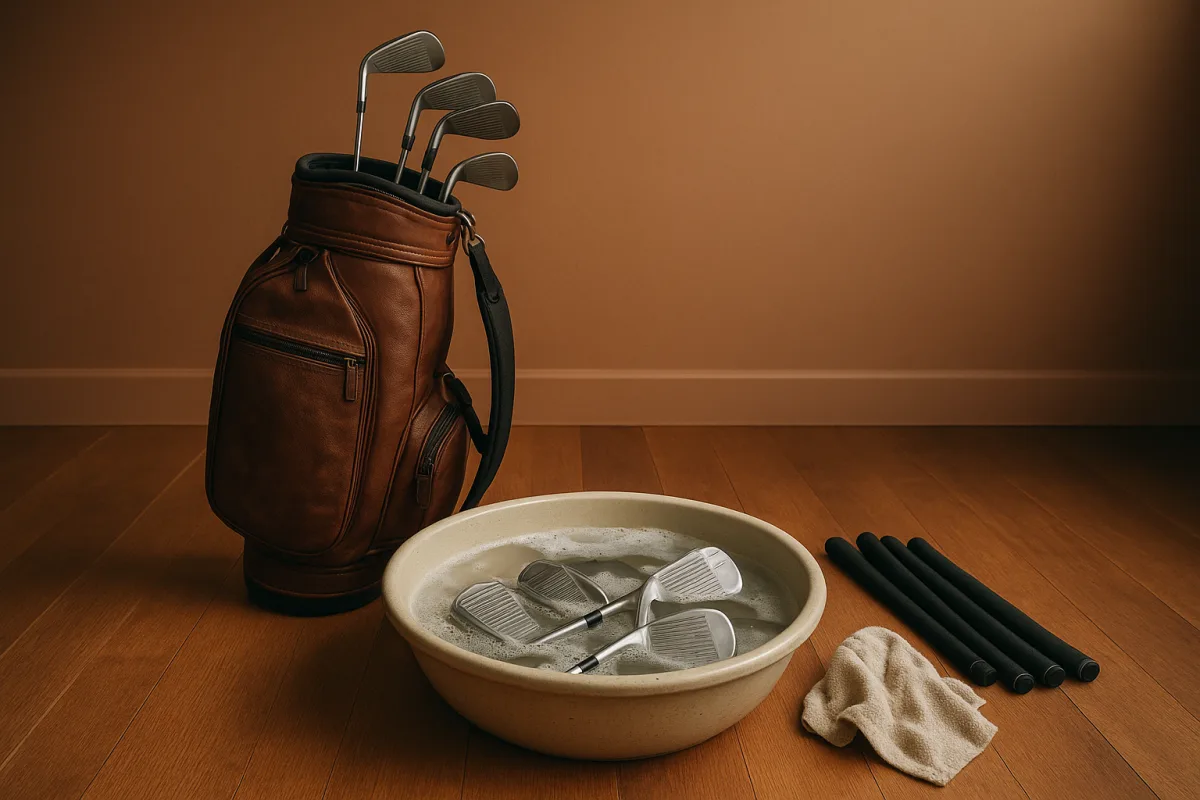
How to Maintain Golf Clubs: Cleaning, Grips & Storage Tips
Learn how to maintain golf clubs with cleaning, grip care, and proper storage to extend their life and performance.

Improve Golf Course Management
Learn how to improve golf course management with club selection, aiming strategies, and adapting to conditions for better scoring.

Playing Golf in Windy Conditions: Tips and Strategies
Learn how to play golf in windy conditions with club selection, swing adjustments, and course strategy to improve your game in the wind.

Starter Golf Equipment List: What You Need to Begin
Discover the starter golf equipment list for beginners, including essential clubs and gear to get you ready for your first round.