
Best Golf Courses for Winter Play: Top Destinations and Tips
Discover the best golf courses for winter play, including top destinations, turf conditions, and travel tips for a great winter golf experience.
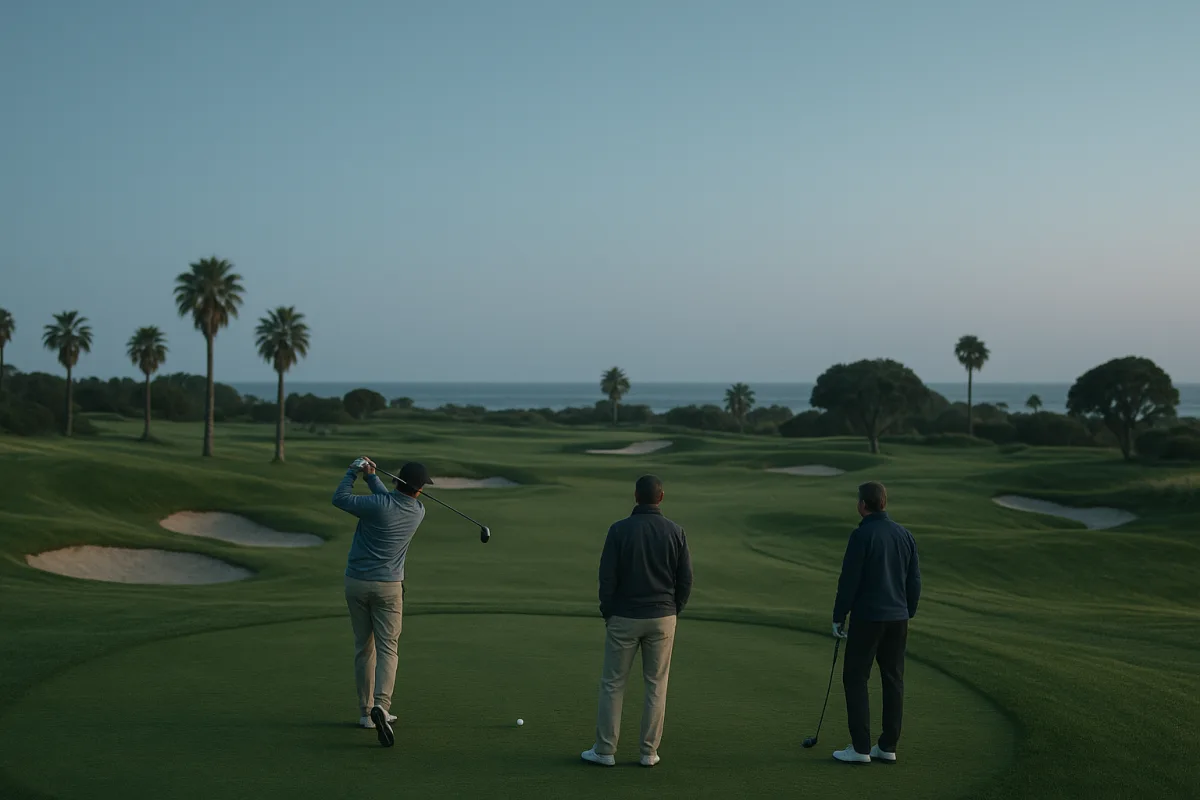
Winter golf is becoming a planned season, not an off-season compromise
The shift is plain: more golfers are treating winter as a reason to travel, rather than accepting muddy shoes, temporary greens and a two-club wind at home. The strongest evidence is not one glossy ranking. It is several destination guides steering players toward the same warm-weather regions. [3][4][5]
Golf Tourism’s 2026-27 winter guide, Mesquite and St. George Golf Tours’ regional guide, and Yatta Golf’s winter-trip recommendations all point golfers toward Arizona, Southern California, Florida and warm international destinations. [3][4][5] That is convergence, although it is not the same thing as independent proof that any one course is best.
There is no comprehensive, authoritative 2026 list that rates golf courses specifically for winter play using weather, turf condition and player reviews. That matters because “best” can mean warmest, driest, cheapest, most scenic, easiest to reach, or simply most likely to have grass under your ball.
For a mid-handicap player planning a trip, I would frame the question differently: where can I reasonably expect playable turf, enough daylight, and conditions that suit the kind of golf I want to play? That produces a better shortlist than chasing a generic top-ten list.
The weather case is real, but broad averages are only a starting point
The Southwest remains the obvious winter play because its daytime temperatures are generally comfortable without Florida-style humidity. Scottsdale and Phoenix average roughly 68°F for winter highs and 44°F for lows, according to Golf Tourism’s destination data. [3]
Palm Springs is in a similar range, with winter highs around 66°F to 70°F and lows around 47°F to 49°F. [3] That is sweater-at-breakfast weather rather than guaranteed shorts weather, but it is a far more realistic playing environment than much of the northern United States.
South Florida offers the warmer end of the domestic spectrum, with average winter highs near 76°F and lows around 61°F. [3] Those numbers make Florida particularly useful for golfers who value warmth above firm, desert-style running conditions.
Dubai also makes a credible winter case on temperature alone, with typical conditions in the 65°F to 75°F range. [3] The Majlis Course at Emirates Golf Club is therefore a sensible international option, provided travel cost and tee-time availability fit the trip.
Winter daylight is the quieter constraint. Palm Springs has roughly 10 hours of daylight in winter, while Paradise Valley, Nevada, is listed at about nine hours and 54 minutes in December. [3][6] That is enough for golf, but not enough to be casual about a late tee time.
Courses worth considering, without pretending they form a definitive ranking
Pebble Beach Golf Links in California belongs in any winter conversation because it is a notable year-round destination in a temperate coastal setting. But Northern California is only moderately reliable in winter compared with Southern California, and its better play window is generally April through October.
That distinction is useful. Pebble Beach may be the right choice for a golfer prioritising a famous course and accepting variable coastal weather, but it is not automatically the most dependable winter choice for someone whose main objective is dry turf and short sleeves.
Wailea Golf Club in Hawaii is another established winter option, with a climate that avoids the cold-weather limitations facing the mainland. It suits players who want consistently warm conditions and are willing to make the trip, rather than those looking for the lowest-cost domestic winter break.
Arizona offers two of the clearest examples of the desert model: TPC Scottsdale and We-Ko-Pa Golf Club. The state has high winter playability from November through March, but golfers should still check the specific course’s maintenance schedule, morning temperatures and cart policy before committing. [3]
TPC Scottsdale suits players who value a well-known tournament venue and easy access to the Phoenix-Scottsdale golf market. We-Ko-Pa Golf Club suits golfers looking for the same broad desert climate advantage, with the practical reminder that desert temperatures can still be chilly at the first tee.
Punta Cana Resort & Club in the Dominican Republic is a logical Caribbean choice for golfers who want warmth during the Northern Hemisphere winter. The broader Caribbean and Mexico category has high winter playability from December through April, although wind and rain patterns still vary locally. [3]
Cape Kidnappers in New Zealand works on a different calendar. Northern Hemisphere winter is Southern Hemisphere summer, making it a strong option for golfers willing to travel farther in exchange for genuine summer-season golf rather than merely tolerable winter conditions.
The sensible takeaway is that these courses are notable options, not a league table. A golfer choosing among Pebble Beach, Wailea, TPC Scottsdale, We-Ko-Pa, Punta Cana, Emirates Golf Club and Cape Kidnappers is really choosing among weather patterns, travel distances and desired playing styles.
Turf condition is the part destination guides often flatten
Temperature tells you whether you will enjoy standing on the tee. Turf tells you whether the course plays like golf. Warm-season grasses such as bermudagrass, zoysiagrass and seashore paspalum slow down or go dormant during winter, changing colour, lie quality and recovery.
A dormant bermudagrass fairway can still be perfectly playable, particularly for a golfer comfortable picking the ball cleanly. But it will not necessarily offer the lush, receptive conditions shown in peak-season photography, and a thin lie can expose any tendency to add loft or catch the ball heavy.
Many warm-climate courses overseed warm-season turf with cool-season grasses, often perennial ryegrass, to preserve green colour and improve winter playability. That approach can make a course more attractive to visitors, but it also costs money and can disrupt normal operations during the transition.
The University of Nebraska’s turfgrass guidance is a useful reminder that winter traffic can damage turf when it is stressed or dormant. [2] That is why cart restrictions, roped-off areas and requests to avoid certain routes are not petty rules. They protect the course’s spring recovery.
Cool-season turf presents a different winter equation. Creeping bentgrass and fine fescues generally maintain playability better in cold conditions than warm-season grasses, although frost remains a real issue. University of Minnesota research specifically evaluates fine fescues for golf greens in cold climates. [1]
That does not make a northern course a safe winter bet. Frost delays can hold up a whole morning, and wet or frozen ground can restrict carts. Golfshake’s guide to winter golf highlights the practical frustrations players know well, including cold, wet conditions and reduced playing options. [13]
Maintenance and microclimate can beat the forecast
A 68°F regional average is useful, but it is not a tee-time forecast. Desert courses can have cold early mornings, coastal courses can get wind and rain, and Florida can have weather interruptions even when the monthly temperature chart looks ideal.
Local geography matters as well. A course exposed to wind, sitting at elevation or shaded by surrounding terrain can play very differently from another course only a short drive away. This is the same basic lesson as launch-monitor data: the number belongs to the conditions that produced it.
New Mexico is a good example of why broad regional labels are unreliable. Some winter-golf guidance presents it as potentially playable year-round, while other assessments place its best golf window from April through October because cold and snow can limit winter access.
For a player booking flights, that disagreement is not academic. New Mexico may work for a flexible golfer watching the forecast, but it is a less dependable winter project than Arizona, South Florida or the Caribbean if the trip must produce several rounds.
Do not assume a course has heated tees, covered carts or winterised practice facilities unless the club confirms it directly. Those amenities are often mentioned loosely in travel planning, but there is no verified documentation establishing them for the courses discussed here.
What pricing tells us, and what it does not
Winter demand is visible in the fact that courses and regional operators publish seasonal rate structures and winter offers. GolfLoomis in Washington, Butter Valley Golf Course in Pennsylvania, Valley Green Golf Course in Pennsylvania, the Latrobe Elks Golf Club in Pennsylvania and Alabama’s Robert Trent Jones Golf Trail all publish rate information. [7][8][9][10][11]
That does not mean every published rate represents dependable winter golf. A winter green fee in Pennsylvania can be a value if conditions cooperate, but it is not directly comparable with a high-demand January tee time in Scottsdale or South Florida.
Likewise, many premium destinations have not published clearly defined 2026-27 winter-specific rates. That includes major winter names such as Pebble Beach, Wailea and Emirates Golf Club. Without current course-published pricing, any precise price comparison would be guesswork, so it is better not to invent one.
The real cost is also larger than the tee-time figure. A winter trip includes flights, lodging, rental car or transfers, food, checked-bag charges and the possibility of a weather-disrupted round. Unlike buying a new driver, there is no fitting cart that can rescue a bad itinerary.
Most distance claims in equipment marketing are within the noise unless the test controls strike, speed, loft and spin. Winter-trip claims deserve the same scepticism. “Year-round golf” can mean anything from genuinely good daily conditions to a course that occasionally opens when frost clears.
Build a winter shortlist around your own playing priorities
Start by choosing your tolerance for weather. If warmth is non-negotiable, South Florida, Hawaii, Punta Cana and Dubai deserve attention. If you prefer dry air, firm ground and desert visuals, Scottsdale, Phoenix and Palm Springs are more logical starting points. [3]
Then decide whether the trip is about one flagship course or several rounds. Pebble Beach, the Majlis Course at Emirates Golf Club and Cape Kidnappers may justify travel for golfers seeking a major-course experience. Arizona and Florida make more sense for building a multi-course itinerary.
Before booking, check three things directly with the course: its maintenance dates, frost and cart policy, and the latest available tee times. Then compare that answer with recent player forums and local forecasts, rather than relying on a broad climate summary.
Finally, leave room for conditions. Book earlier tee times where afternoon daylight is tight, but not so early that a likely frost delay ruins the plan. Winter golf rewards a flexible schedule more reliably than a rigid, fully prepaid itinerary.
Frequently Asked Questions
What are the best golf courses to play during winter?
Notable U.S. courses known for winter play include Pebble Beach Golf Links (California), Wailea Golf Club (Hawaii), TPC Scottsdale, and We-Ko-Pa Golf Club (both in Arizona). International options with favorable winter conditions include Punta Cana Resort & Club (Dominican Republic), Emirates Golf Club’s Majlis Course (Dubai), and Cape Kidnappers (New Zealand). However, no authoritative 2026 ranking definitively rates courses specifically for winter play.
Which golf destinations offer the best winter play conditions?
Arizona, Southern California, South Florida, the Caribbean, Dubai, and New Zealand are widely recommended winter golf destinations. These regions generally offer comfortable winter temperatures and better turf conditions compared to colder areas. Guides from Golf Tourism, Mesquite and St. George Golf Tours, and Yatta Golf converge on these locations as strong winter options.
How does turf condition affect winter golf course playability?
Winter playability depends heavily on turfgrass type and maintenance. Warm-season grasses like bermudagrass often go dormant or slow growth in winter, sometimes requiring overseeding with cool-season grasses such as perennial ryegrass to maintain green color. Frost delays and cart-path restrictions are common to protect dormant or overseeded turf, affecting playability and pace.
What regions have the best golf courses for winter golf?
The Southwest U.S. (Arizona, Southern California), South Florida, the Caribbean, Dubai, and New Zealand offer some of the best regions for winter golf. These areas typically provide warmer daytime temperatures (ranging roughly from mid-60s to mid-70s °F) and more reliable turf conditions compared to northern or colder climates.
How should I plan a winter golf trip for optimal conditions?
Plan by researching the specific course’s current maintenance schedule, cart policies, and recent player reports, especially regarding turf dormancy or overseeding. Build extra time into tee times to accommodate shorter daylight hours, frost delays, and potential cart-path restrictions. Compare green fees against expected conditions rather than assuming peak-season quality turf in winter.
How we researched this
This article was assembled from 13 cited references.
Nothing here is based on hands-on testing. Where a figure or finding appears, it belongs to the source cited beside it, and the writing says so rather than implying otherwise. Every source is listed below so you can check it.
Sources
- Evaluating fine fescues for golf greens in cold climates | Turfgrass Science
- Winter Traffic and Play on Turfgrass | Turfgrass Science | Nebraska
- Winter Golf Destinations: 2026-27 Guide With Real Temps
- Winter Golf Destinations | Mesquite & St. George Guide
- The Four Best Winter Golf Destinations You Need To Take A Trip To – Yatta Golf
- December weather - Winter 2026 - Paradise Valley, NV
- Rates - GolfLoomis
- Rates | Butter Valley Golf Course
- Rates - Valley Green Golf Course & Hogans
- Green Fees - The Latrobe Elks Golf Club
- https://www.rtjgolf.com/winter/?utm_source=openai
- Royal Birkdale Green Fees: How Much Does It Cost To Play The 2026 Open Championship Course?
- The worst things about playing golf in winter
Related Articles
Best Golf Courses to Play in Summer: Top Picks and Tips
Discover the best golf courses to play in summer with tips on conditions, tee times, and course selection for an enjoyable round.
Best Golf Courses in Fall: Top U.S. Autumn Destinations
Discover the best golf courses in fall with tips on course conditions, booking, and top U.S. autumn golf destinations for 2026.
When to Play Golf in Spring: Timing and Course Conditions
Learn when to play golf in spring by understanding course conditions, weather, and maintenance for the best tee times and experience.
Best Time of Day to Play Golf
Discover the best time of day to play golf by comparing morning and afternoon conditions for optimal performance and course strategy.