
Best Golf Courses in Fall: Top U.S. Autumn Destinations
Discover the best golf courses in fall with tips on course conditions, booking, and top U.S. autumn golf destinations for 2026.
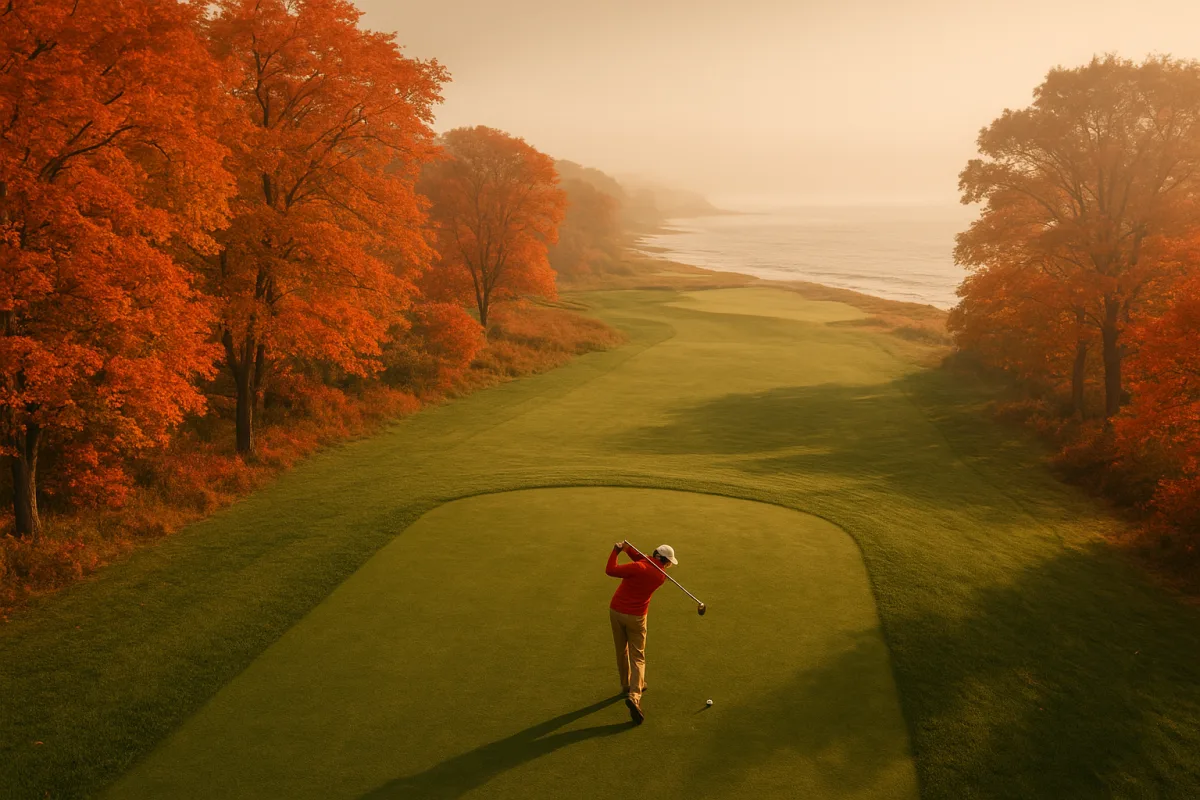
Fall golf is becoming a peak-season project
The shift is fairly plain: golfers are treating fall less as the final few casual rounds before winter and more as a deliberate travel season. The evidence is not a single national participation study, but several independent course calendars and destination guides point the same way.
Courses are publishing detailed 2026 rate structures, seasonal pricing and advance-booking information rather than treating autumn as a leftover shoulder period. That does not prove every course will be busy, but it does show operators expect fall demand worth managing. [5][6][7][9]
Wild Spring Dunes in Texas, for example, lists a $275 peak-season green fee. Sultan’s Run Golf Club in Jasper, Indiana, lists peak-season rates from $95 to $145, with separate discounts for seniors, military players and juniors. [5][7]
That is meaningful because golf travel pricing usually follows demand, available daylight and course-condition confidence. A fall round may still be cheaper than a summer Saturday at some facilities, but “fall” is no longer automatically shorthand for bargain golf.
The travel side is moving in the same direction. Golf publications and destination guides continue to frame Portugal, Turkey, the French Riviera and parts of Asia as autumn golf options, when northern European conditions become less reliable. [17][18][19][20][21]
Still, the trend needs a sensible limit. There is no authoritative, published ranking that grades U.S. courses specifically for 2026 fall weather, foliage and playing condition, so any article calling a course the undisputed best would be making more certainty than the evidence supports.
The established U.S. fall destinations
For a marquee trip, Bandon Dunes in Oregon remains an obvious name because coastal links golf can be compelling outside the summer rush. Wonderlust includes the Oregon resort among notable U.S. golf-resort choices, though that is not a 2026 fall-condition ranking. [1]
The fitting-data version of this advice is simple: a reputation is a useful starting point, not a guarantee. Wind, rain, maintenance and the specific tee sheet will determine more about your day than a broad label such as “great fall course.”
Pinehurst No. 2 in North Carolina has a similarly strong autumn reputation, supported by Pinehurst and North Carolina travel coverage from Wegolf. [2] Its appeal is not just color or temperature, but the chance to play a historic, strategy-heavy course in a traditional golf destination.
Kiawah Island’s Ocean Course in South Carolina also belongs in the conversation for golfers who want a coastal championship setting. Wonderlust’s U.S. resort coverage supports its stature, although a fall trip there still depends heavily on wind and weather. [1]
Whistling Straits in Wisconsin is another established autumn name, particularly for golfers who want a dramatic Great Lakes setting before winter closes in. Golf Wisconsin’s course coverage documents The Straits as a major destination, but not as a guaranteed foliage-and-condition winner for 2026. [3]
Pebble Beach Golf Links in California offers a different fall proposition: less about classic northeastern foliage and more about coastal scenery, temperate-season golf and a famous architecture-and-ocean combination. Vietnam Golf Magazine’s Pebble Beach feature supports that continuing destination appeal. [4]
These courses are the high-profile answers, but they are not automatically the best answer for every golfer. A mid-handicap player should weigh course difficulty, pace, travel cost and the tee time actually available, not simply book the biggest name.
A course can be spectacular and still be a poor fit for the trip you are planning. That is no different from buying a low-spin driver because one launch-monitor screenshot looked good, then finding the head does not suit your strike pattern.
Foliage courses are a separate category
If the main goal is fall color, the better shortlist changes. PGA.com has highlighted Sugarloaf Golf Club in Maine among American foliage courses, while Crystal Mountain in Michigan actively positions its golf around the fall-color season. [13][14]
Biltmore Estate in North Carolina also publishes fall color reporting, making it a useful destination to watch for a foliage-focused trip. The key word is watch, because historical color appeal does not create a promise for a particular October week. [15]
The 2026 variable is especially important. The available fall foliage reporting points to an intense El Niño pattern and summer drought as factors that may bring earlier leaf drop and less vivid color in some regions. [12]
That means a foliage trip has two independent risks. You can miss peak color by a week, and you can arrive during the right color window only to find leaves affecting ball-finding, pace and visibility around greens.
I would not plan a competitive match around leaf-covered rough unless the course confirms its cleanup schedule. A ball sitting safely in short grass can become difficult to identify under leaves, which is less charming when money is on the line.
There is also a practical distinction between pretty trees and playable turf. A course can look excellent from the first tee while dealing with soft approaches, thin dormant lies or stressed fairways left over from late-summer heat.
Price signals: fall is not one market
For a more affordable Midwest fall trip, Sultan’s Run is worth pricing because its posted peak-season range is $95 to $145. The course also lists senior, military and junior discounts, which may materially alter the group’s cost. [5]
Green Valley Ranch Golf Club near Denver publishes rates ranging from $47 to $86 depending on season and day. That makes it a sensible option for golfers who want mountain-region access without assuming every fall destination needs resort-level green fees. [6]
Deer Track Golf Course in Ohio lists rates from $40 to $52 and advertises discounts. For a golfer whose priority is regular fall rounds rather than a bucket-list trip, that is the sort of transparent local pricing worth seeking out. [8]
Loggers Trail Golf Course in Minnesota lists 2026 rates of $42 to $68, including twilight and senior-rate options. Twilight can be good value, but reduced autumn daylight means the discount is only useful if the group accepts the risk of finishing late. [9]
Hilldale Golf Club in Illinois and Bellevue Golf Course in Nebraska also publish tiered rates and discounts. Their exact cost depends on the applicable category and booking date, so check the current rate pages rather than treating an old screenshot as a quote. [10][11]
None of these listed fees should be read as an all-in trip price. Green fees may exclude lodging, transport, caddie or cart charges, food, taxes and cancellation protection, while destination golf can add substantial costs beyond the posted tee-time number.
Course condition matters more than the calendar
The common fall-planning mistake is assuming the course will look and play like it did in peak summer. In many regions, the opposite is true after heat stress, drought, heavy play and a maintenance program designed to prepare for winter.
Warm-season turf adds another layer. Bermuda grass can begin to lose color and growth as temperatures fall, and a course may use overseeding to retain a green appearance and playable surface through cooler months. [16]
Overseeding is not merely cosmetic. Golf Monthly notes that the practice can cost more than $100,000 per course, which helps explain why some facilities schedule it carefully and why the process can temporarily affect lies, firmness and availability. [16]
Ask directly whether greens, tees or fairways are being aerated or overseeded during your dates. A course may describe the work clearly on a maintenance calendar, but it is still worth calling because schedules can move with weather.
Reduced daylight also slows turf recovery. That does not mean every fall course will be poor, only that damage from traffic, disease or summer stress may take longer to heal than it would during the fastest-growing part of the year.
Golfers often chase a generic “best fall course” when they really need a course matching their own priorities. A foliage-focused foursome may accept leaves and softer ground, while a low-handicap group chasing firm, fast surfaces may not.
There is no special fall swing fix in the research behind this guide, and I would not invent one. The same caution applies to equipment: a lower flight may help in wind, but the right loft and shaft depend on the golfer producing the numbers.
A launch-monitor spin rate belongs to the swing that produced it, not to the season. Most distance claims are within normal shot-to-shot noise, and fitting beats buying when conditions or travel plans make equipment choices feel urgent.
International options need more homework
Portugal is the strongest European fall category in the available material. Golf Digest identifies the Dunas Course at Terras de Comporta among Europe’s notable courses, while Algarve travel coverage continues to market the Portuguese coast for 2026 golf travel. [17][20]
Turkey’s Belek and Antalya region is another established autumn option, with GolfForKings publishing a 2026 season outlook. The French Riviera also has dedicated 2026 golf-course guidance, though neither source supplies detailed daily condition forecasts for every course. [18][19]
In Asia, Sentosa Golf Club’s Serapong course in Singapore, Hirono Golf Club in Japan and Clearwater Bay Golf and Country Club in Hong Kong appear in GolfLux’s 2026 Asia course coverage. [21] They are notable names, not verified fall-condition recommendations.
For any overseas trip, contact the club or local tourism body about maintenance, weather patterns and booking terms. The available research does not provide enough course-specific 2026 condition detail to rank these destinations confidently against one another.
How to build a sensible fall golf plan
Start with a date range, then choose a region based on your real priority: foliage, reliable warmth, links-style wind, lower green fees or championship-course access. Trying to maximize all five usually produces an expensive compromise.
Next, check the course’s published rate calendar and call about maintenance. Sultan’s Run, Green Valley Ranch, Wild Spring Dunes, Deer Track, Loggers Trail, Hilldale and Bellevue all provide useful pricing structures, but schedules and availability can change. [5][6][7][8][9][10][11]
Book mornings when possible. Morning tee times generally reduce the chance that afternoon weather interrupts the round, while midweek slots can mean fewer groups and more choice, especially at public-access courses.
Do not assume morning means ideal conditions, though. Dew, wet leaves and cooler temperatures can make the opening holes play longer, so carry distances and rollout may not resemble what you saw on a dry summer launch-monitor session.
Finally, leave room for revision. Check the forecast, foliage reports and maintenance status shortly before departure, then decide whether the course still fits the round you want rather than forcing the trip to match a ranking that was never precise enough.
Frequently Asked Questions
What are the best golf courses to play in fall?
Several U.S. courses have established fall reputations, including Bandon Dunes (Oregon), Pinehurst No. 2 (North Carolina), Kiawah Island’s Ocean Course (South Carolina), Whistling Straits (Wisconsin), and Pebble Beach Golf Links (California). However, there is no authoritative ranking for the best U.S. courses specifically for fall 2026 conditions, so these names serve as a useful starting point rather than a definitive list.
Which U.S. golf courses have the best fall conditions?
No published or authoritative rankings identify the best U.S. golf courses for fall 2026 conditions. Course conditions vary due to factors like weather, maintenance (aeration, overseeding), and regional climate effects on turf. It is advisable to check directly with courses about current fall conditions before booking.
How does fall weather affect golf course playability?
Fall weather impacts playability through cooler temperatures, reduced daylight, and turf dormancy, especially in warm-season grasses like Bermuda. Overseeding and aeration are common maintenance practices that can temporarily affect course conditions. Additionally, leaf drop may obscure fairways and greens, and an intense El Niño in 2026 could cause earlier leaf drop and less vibrant fall colors in some regions.
What should I consider when booking a golf course in autumn?
When booking fall golf, treat the season as peak rather than shoulder time and reserve early. Book morning tee times, preferably midweek, and inquire about aeration, overseeding, and cart rules. Use listed green fees as a starting point but verify current rates, inclusions, and availability directly with the course before paying any non-refundable deposits.
Are there golf courses known for great fall foliage?
Historically, courses such as Sugarloaf Golf Club in Maine, Crystal Mountain in Michigan, and Biltmore Estate in North Carolina are known for vibrant fall foliage. However, 2026-specific foliage conditions are uncertain due to weather variability, and leaf drop may affect both aesthetics and playability.
How we researched this
This article was assembled from 21 cited references.
Nothing here is based on hands-on testing. Where a figure or finding appears, it belongs to the source cited beside it, and the writing says so rather than implying otherwise. Every source is listed below so you can check it.
Sources
- The 10 Best Golf Resorts in the U.S. - WONDERLUST
- Wegolf: Pinehurst & North Carolina
- Whistling Straits - The Straits - Golf in Sheboygan, Wisconsin
- Pebble Beach trong tôi
- Golf Course Green Fees | Jasper, IN | Sultan's Run
- Golf Course Rates | Green Valley Ranch Golf Club | Denver, CO
- Golf at Wild Spring Dunes — Wild Spring Dunes
- Rates - Deer Track Golf Course
- 2026 Rates - Loggers Trail Golf Course
- Rates — Hilldale Golf Club
- Rates - Bellevue Golf Course
- The 2026 Fall Foliage Forecast is Out - When Will Your Garden Trees Reach Peak Color?
- 6 Jaw-Dropping Fall Golf Courses in America for Ultimate Foliage
- Why Fall Golf is the Best Golf | Crystal Mountain Michigan
- Fall color report - Biltmore
- What Is Overseeding On A Golf Course?
- The best golf courses in Europe | Golf Courses | Golf Digest
- Belek and Antalya Golf: 2026 Season Outlook | GolfForKings
- Best Golf Courses on the French Riviera — 2026 Guide | French Riviera Golf
- Algarve Golf Travel Guide 2026: Portugal's Coast - XS Golf
- Top 15 Best Golf Courses in Asia 2026 - GolfLux
Related Articles

Best Golf Courses to Play in Summer: Top Picks and Tips
Discover the best golf courses to play in summer with tips on conditions, tee times, and course selection for an enjoyable round.

Best Time of Day to Play Golf
Discover the best time of day to play golf by comparing morning and afternoon conditions for optimal performance and course strategy.

When to Play Golf in Spring: Timing and Course Conditions
Learn when to play golf in spring by understanding course conditions, weather, and maintenance for the best tee times and experience.

Golf Rain Gear and Strategy: What to Do If It Rains
Learn essential golf rain gear and strategies to stay dry, adjust your swing, and play safely when it rains on the course.